Root Canal Treatment abroad.
Priced on published fees.
What root canal treatment costs across the destinations we list, from fees published by approved clinics.
Free to use. No forms, no call centre. You pay the clinic directly, at its own prices.
What it costs
Root Canal Treatment, country by country.
Each figure is the average of prices published by approved clinics in that country. The count beside it is how many clinics stand behind the figure.
| Country | Average | Range | Clinics |
|---|---|---|---|
| Vietnam | US$93 | US$16 to US$360 | 29 |
| Thailand | US$333 | US$171 to US$549 | 21 |
| Poland | US$354 | US$113 to US$575 | 14 |
| Mexico | US$318 | US$162 to US$1,188 | 12 |
| Indonesia | US$157 | US$38 to US$500 | 9 |
| Turkey | US$120 | US$30 to US$197 | 7 |
| Hungary | US$259 | US$66 to US$691 | 6 |
| Albania | US$61 | US$25 to US$97 | 5 |
Indicative. Averages of what clinics publish, not quotes. Only a clinic's written quote for your own case applies to you. Method: the pricing research index.
Want root canal treatment priced for your own mouth? Send a photo and we will come back with written quotes.
Get my quoteThe treatment
What root canal treatment involves.
What Is Root Canal Treatment?
Root canal treatment, also called endodontic therapy, is a dental procedure that saves severely damaged or infected teeth. When the soft tissue inside your tooth (called the pulp) becomes infected or inflamed due to deep decay, repeated dental procedures, or trauma, a root canal can eliminate the infection and preserve your natural tooth.
The pulp contains nerves, blood vessels, and connective tissue that help nourish the tooth during development. However, once a tooth is fully mature, it can survive without the pulp because surrounding tissues continue to nourish it.
How Is Root Canal Treatment Performed?Root canal treatment typically requires one to three appointments, depending on the complexity of your case. Here's what you can expect during the procedure:
Initial Examination and Diagnosis
Your dentist will take X-rays to assess the tooth's condition and surrounding bone structure. They'll examine your symptoms and determine if root canal treatment is the best option for saving your tooth.
Local Anesthesia and Access
The area around the affected tooth is numbed with local anesthesia to ensure your comfort. Your dentist then creates a small access hole in the crown of the tooth to reach the pulp chamber.
Cleaning and Shaping
Using specialized instruments, your dentist carefully removes the infected or inflamed pulp from the pulp chamber and root canals. The canals are then shaped and disinfected to eliminate bacteria and reduce risk of future infection.
Filling and Sealing
After cleaning, the empty canals are filled with a biocompatible material called gutta-percha and sealed with adhesive cement. The access hole is closed with a temporary or permanent filling.
Final Restoration
In most cases, a crown or other restoration is placed over the treated tooth to restore its full function and protect it from future damage. This may occur during the same visit or at a follow-up appointment.
Benefits of Root Canal TreatmentChoosing root canal treatment offers numerous advantages over tooth extraction:
- Preserves Natural Tooth: Keeps your original tooth structure intact, maintaining proper chewing function and jaw alignment.
- Pain Relief: Eliminates the severe pain caused by infected or inflamed pulp tissue.
- Prevents Spread of Infection: Removes bacteria and infected tissue that could affect surrounding teeth and tissues.
- Cost-Effective: Generally less expensive than extracting the tooth and replacing it with an implant or bridge.
- Efficient Chewing: Allows normal biting force and sensation compared to artificial replacements.
- Natural Appearance: Maintains your smile's natural look when combined with a crown or filling.
- Protects Adjacent Teeth: Prevents neighboring teeth from shifting or experiencing excessive wear.
Root canal treatment may be recommended if you experience any of the following symptoms or conditions:
- Severe toothache when chewing or applying pressure
- Prolonged sensitivity to hot or cold temperatures
- Discoloration or darkening of the tooth
- Swelling and tenderness in nearby gums
- A persistent or recurring pimple on the gums
- Deep decay or large fillings
- Trauma or injury to the face
However, not all damaged teeth are suitable for root canal treatment. Your dentist will evaluate factors such as the extent of damage, bone support around the tooth, and your overall oral health to determine if the procedure is appropriate.
When Root Canal Treatment May Not Be Suitable
In some cases, extraction may be necessary if:
- The tooth has insufficient structure remaining
- Root fractures extend below the gum line
- Inadequate bone support exists
- The cost of treatment and restoration is prohibitive
Proper aftercare following root canal treatment is essential for successful healing and long-term tooth preservation.
Immediate Post-Treatment Care
For the first 24-48 hours after your procedure:
- Avoid chewing on the treated tooth until permanent restoration is complete
- Take prescribed or over-the-counter pain medications as directed
- Apply ice packs to reduce swelling if necessary
- Maintain gentle oral hygiene around the treatment area
- Avoid extremely hot or cold foods and beverages
Long-Term Care
To ensure the longevity of your treated tooth:
- Complete any recommended follow-up appointments
- Get the permanent crown or filling placed promptly
- Practice excellent oral hygiene with regular brushing and flossing
- Avoid chewing hard foods like ice or hard candy
- Don't use your teeth as tools to open packages
- Schedule regular dental checkups and cleanings
Signs to Contact Your Dentist
While some mild discomfort is normal, contact your dentist if you experience:
- Severe pain that worsens or doesn't improve with medication
- Visible swelling inside or outside your mouth
- Allergic reaction to medications
- Your temporary filling comes out
- Your bite feels uneven
Root canal treatment has a high success rate, with studies showing 85-97% of treated teeth lasting 8-10 years or longer. With proper care and maintenance, many root canal-treated teeth last a lifetime.
The key to long-term success is completing the entire treatment process, including the final restoration, and maintaining excellent oral hygiene. Regular dental visits allow your dentist to monitor the treated tooth and address any concerns early.
- Sessions
- 1 typically
Clinics
Where to get root canal treatment.
Clinics that list this treatment, ordered by our evaluation. Featured partners passed the checks in our methodology; it is not a clinical endorsement.

Picasso Dental Clinic Ho Chi Minh City (Thao Dien, District 2)
Ho Chi Minh City, Vietnam
US$102
from 337 reviews

Worldwide Beauty And Dental Hospital
Ho Chi Minh City, Vietnam
US$120
from 537 reviews

Picasso Dental Clinic Hanoi (Old Quarter Branch)
Hanoi, Vietnam
US$102
from 357 reviews
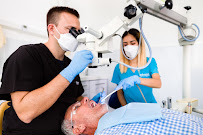
Bokanova Riviera Maya
Playa Del Carmen, Mexico
US$360
from 116 reviews

Picasso Dental Clinic Da Nang
Da Nang, Vietnam
US$102
from 350 reviews
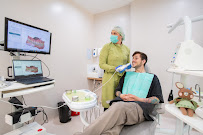
Dentica Dental Clinic (Déntica by Cristina Suaza)
Bogota, Colombia
US$300
from 504 reviews

DAISY International Dental Nha Trang
Nha Trang, Vietnam
US$38
from 82 reviews
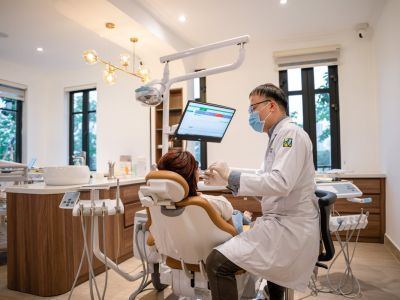
Picasso Dental Clinic Hanoi (Westlake Square Branch)
Hanoi, Vietnam
US$102
from 227 reviews
Questions
What people ask about it.
What is root canal treatment?
Root canal treatment is a dental procedure that removes infected or damaged tissue from inside a tooth to save it from extraction. The procedure cleans and seals the tooth's inner chambers.
Why do I need a root canal?
You may need a root canal if your tooth's pulp becomes infected due to deep decay, repeated procedures, or trauma. This prevents the infection from spreading and saves your tooth.
Does root canal treatment hurt?
Modern root canal treatment is typically painless due to local anesthesia. Most patients experience minimal discomfort, similar to having a large filling placed.
How long does a root canal take?
Most root canals can be completed in one to three appointments, each lasting 60-90 minutes. Complex cases may require additional visits for optimal results.
What happens if I don't get a root canal?
Without treatment, the infection can spread, cause severe pain, and lead to tooth loss. You may develop an abscess, which can be dangerous if left untreated.
How successful are root canals?
Root canal treatment has a 85-97% success rate. With proper care, most treated teeth last 8-10 years or longer, and many last a lifetime.
What can I eat after root canal treatment?
Stick to soft foods and avoid chewing on the treated tooth until your permanent restoration is placed. Avoid very hot or cold foods initially.
How much does root canal treatment cost?
Root canal costs vary by tooth location and complexity. The procedure is typically less expensive than tooth extraction and replacement with an implant or bridge.
Do I need a crown after root canal treatment?
Most root canal-treated teeth require a crown for protection, especially back teeth that endure heavy chewing forces. Your dentist will recommend the best restoration.
How long is the recovery time?
Most patients return to normal activities the next day. Some mild discomfort may last a few days but can be managed with over-the-counter pain medication.
Can root canal treatment fail?
While rare, root canals can fail due to new infection, missed canals, or restoration problems. Retreatment or extraction may be necessary in such cases.
Is extraction better than root canal?
Saving your natural tooth with root canal treatment is usually preferable to extraction. Natural teeth function better and are more cost-effective long-term.
What are the alternatives to root canal treatment?
The main alternative is tooth extraction followed by replacement with a dental implant, bridge, or partial denture. Root canal treatment is often the preferred option.
Can I drive home after root canal treatment?
Yes, you can drive home after root canal treatment since only local anesthesia is used. Wait until numbness wears off before eating to avoid biting your cheek.
How do I know if my root canal is infected?
Signs of infection include severe pain, swelling, fever, or a pimple on your gums. Contact your dentist immediately if you experience these symptoms.
Can pregnant women have root canal treatment?
Yes, root canal treatment is safe during pregnancy, especially in the second trimester. Local anesthesia and necessary X-rays pose minimal risk to the baby.
How long do root canal-treated teeth last?
With proper care and restoration, root canal-treated teeth can last a lifetime. Regular checkups and good oral hygiene are essential for longevity.
Will my tooth look different after root canal?
The tooth may darken slightly over time, but a crown or veneer can restore its natural appearance. Most people cannot tell which teeth have been treated.
Can I get a root canal on any tooth?
Most teeth can be treated with root canals if they have adequate structure and bone support. Your dentist will evaluate each tooth's individual condition.
What should I do if my temporary filling falls out?
Contact your dentist immediately if your temporary filling comes out. Keep the area clean and avoid chewing on that tooth until you can be seen.
Send a photo. Get three quotes.
For root canal treatment, from clinics that fit your case. It costs nothing and commits you to nothing.