Dental work in Serbia.
Compared on published prices.
37 clinics listed across 1 city, with their published fee schedules, licence status, and screened review history.
Free to use. No forms, no call centre. You pay the clinic directly, at its own prices.
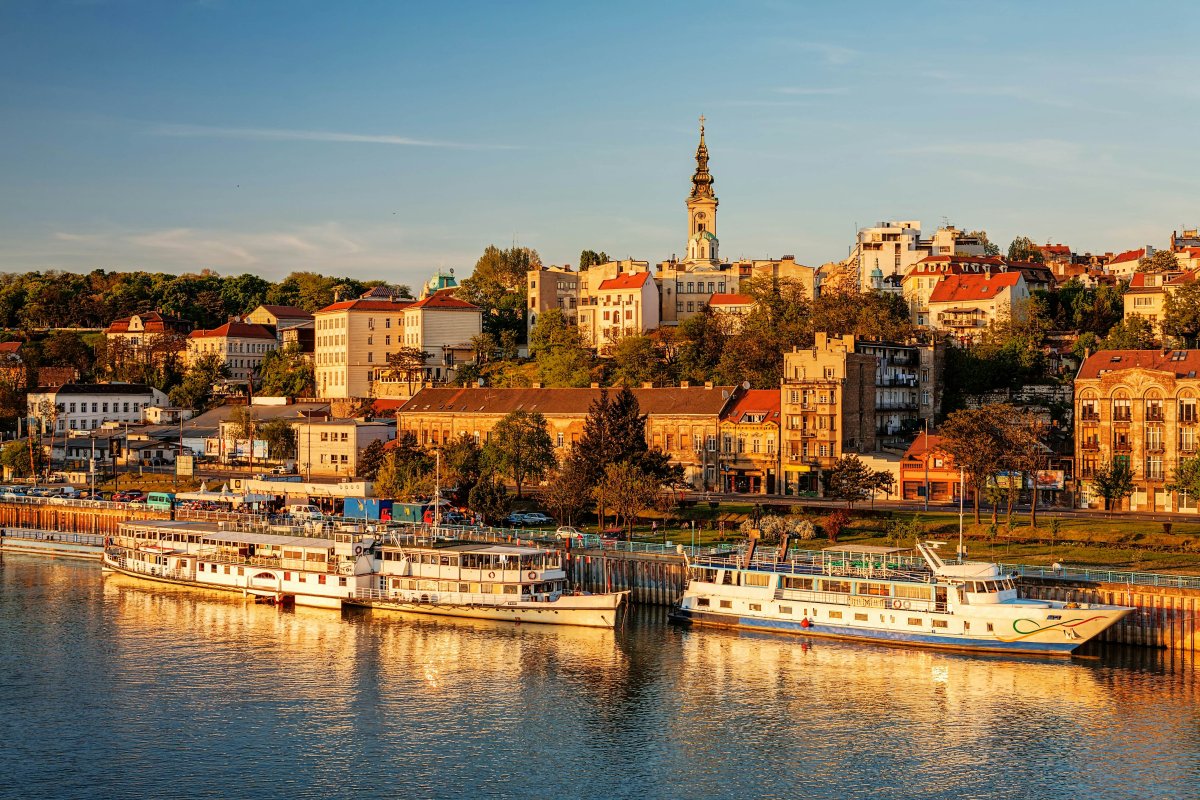
Where to go
Cities in Serbia with listed clinics.
Clinics
Practices we list in Serbia.
Featured partners passed the checks published in our methodology. It is not a clinical endorsement, and it does not change what you pay.
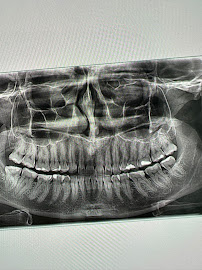
Pro Dental Centar
Belgrade
from 170 reviews
Dentalux
Belgrade
from 186 reviews
Stomatološka ordinacija Dr Cvijetinović Beograd
Belgrade
from 151 reviews
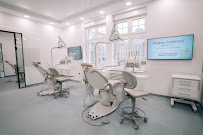
Parlament Dental
Belgrade
from 163 reviews
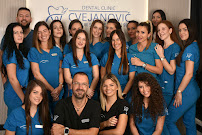
Stomatoloska ordinacija Cvejanovic
Belgrade
from 260 reviews
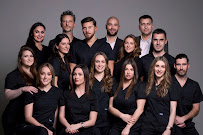
Marco Dental Tourism - Dentist Belgrade Serbia
Belgrade
from 148 reviews

Queen Dental Clinic
Belgrade
from 79 reviews
White Clinic Belgrade - specijalistička stomatološka ordinacija
Belgrade
from 117 reviews
About
Dental tourism in Serbia.
Serbia is Central Europe's most cost-effective dental tourism destination, offering savings of 60-75% versus Western European prices with fully modern clinics concentrated in Belgrade. SmileJet has listed 30 clinics in Belgrade, with a collective 4.8 average rating across 2,831 patient reviews. Top-rated practices include Stomatoloska ordinacija Cvejanovic (244 reviews, 4.97 rating), Dental clinic TIA dentico (142 reviews, 5.0 rating), Dentist Belgrade, MY DENT, and Prime Dental Studio. Serbian dentists train at the University of Belgrade Faculty of Dental Medicine (founded 1948) and often complete specialty training in Germany, Italy, or Switzerland. Leading clinics operate with CBCT 3D imaging, CAD/CAM workflows, and international-brand implants (Straumann, Nobel Biocare, Ankylos). Serbia is particularly popular with German, Austrian, Swiss, and British patients given short flights from major European hubs and Belgrade's increasingly cosmopolitan profile.
Questions
What people ask first.
Is dental work in Serbia safe?
Yes. Serbian dentistry is regulated by the Serbian Dental Chamber (Stomatološka komora Srbije) with strict licensing and continuing education requirements. SmileJet partner clinics hold a 4.8 average rating across 2,800+ reviews. Serbian dentists train at the University of Belgrade Faculty of Dental Medicine, and many pursue specialty training in Germany, Italy, or Switzerland.
How much can I save on dental work in Serbia?
Typical savings versus UK, German, or Austrian prices are 60-75%. Single dental implants cost EUR €550-€1,050 in Belgrade vs £2,400 UK or €3,500 Germany. Porcelain veneers EUR €220-€400 per tooth. Zirconia crowns EUR €200-€380. All-on-4 full-arch implants run EUR €5,000-€8,000 per arch vs £15,000 UK.
Where are Belgrade's best dental clinics?
Belgrade's premium dental clinics cluster in the central districts of Vračar, Stari Grad (Old Town), Savski Venac, and Novi Beograd (New Belgrade across the river). Stomatoloska ordinacija Cvejanovic — with 244 reviews and a 4.97 rating — is among the most established practices. Several clinics are located near the main hotel district for patient convenience.
Do I need a visa to visit Serbia for dental treatment?
Most nationalities including EU, UK, US, Canadian, Australian, New Zealand, Chinese, and Russian passport holders can enter Serbia visa-free for stays of up to 90 days. Serbia is not in the Schengen area, so Schengen 90-day limits do not apply — convenient for frequent travellers who've already used Schengen time. Passport must be valid 6+ months.
How long do I need to stay in Serbia for dental work?
Veneers and crowns typically need 5-7 days across 2-3 appointments. Dental implants require 7-10 days for placement, with a return visit 4-6 months later for the final crown. Teeth whitening and cleaning are same-day. All-on-4 full-arch implants take 10-14 days. Many patients combine treatment with Belgrade's famous nightlife and cultural scene.
Do Serbian dentists speak English?
All SmileJet partner clinics in Belgrade have English-speaking dentists and patient coordinators. German fluency is also common given the large Serbian diaspora in Germany, Austria, and Switzerland. Treatment plans, consent forms, and aftercare instructions are provided in English or German. Many clinics also serve Russian-speaking patients.
What implant brands are used by Serbian clinics?
Top Belgrade clinics use Straumann (Switzerland), Nobel Biocare (Sweden), Ankylos (Dentsply Sirona), Camlog (Germany), and MIS (Israel) — the same brands used across Western Europe. IPS E.max (Ivoclar Vivadent) and Zirconia BruxZir are standard for crowns and veneers. Every clinic provides material certificates with treatment.
Is Belgrade safe for dental tourism?
Yes. Belgrade is consistently ranked among Europe's safest capital cities for tourism. The city has become increasingly cosmopolitan since 2015, with a thriving café culture, modern restaurants, and a globally-known nightlife scene. Standard urban precautions apply: use reputable taxis (Car:Go and Yandex are popular) and keep valuables secure. Private clinics meet international standards.
What's the best time of year to visit Serbia?
May to October offers the best weather — pleasant spring, warm summer, and golden autumn. Belgrade's continental climate means summers can be hot (30-35°C in July-August) and winters cold (often below freezing). The shoulder seasons (May-June, September-October) are ideal. Dental clinics operate year-round. Belgrade's nightlife and river cruises are particularly enjoyable in summer evenings.
Send a photo. Get three quotes.
From clinics in Serbia that fit your case. It costs nothing and commits you to nothing.