Which Warsaw area has the best dental clinics?
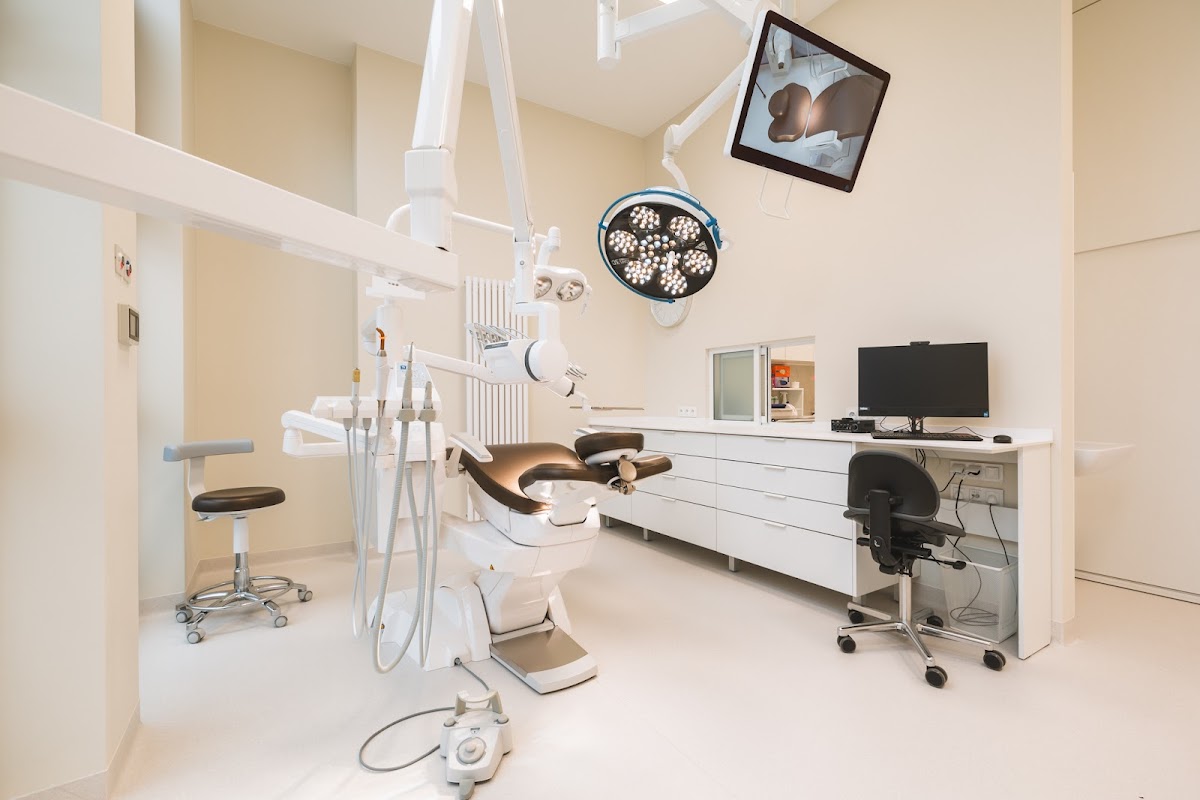
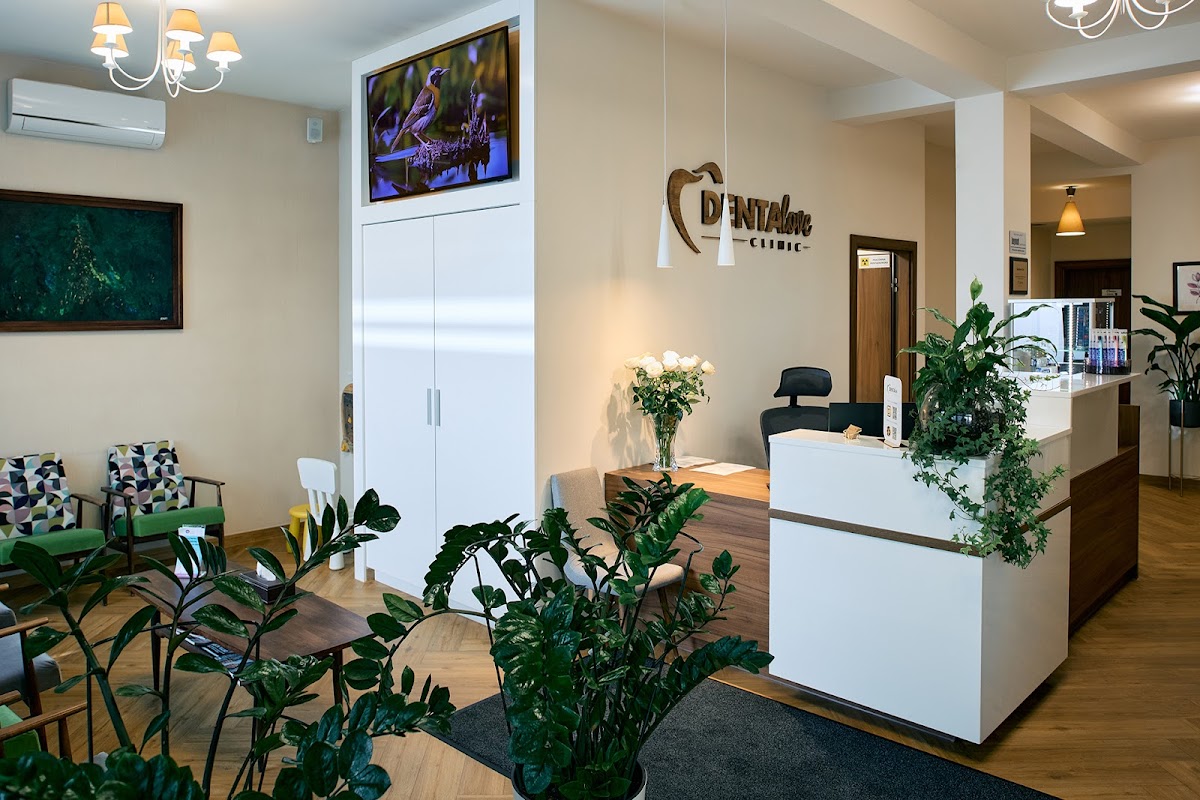
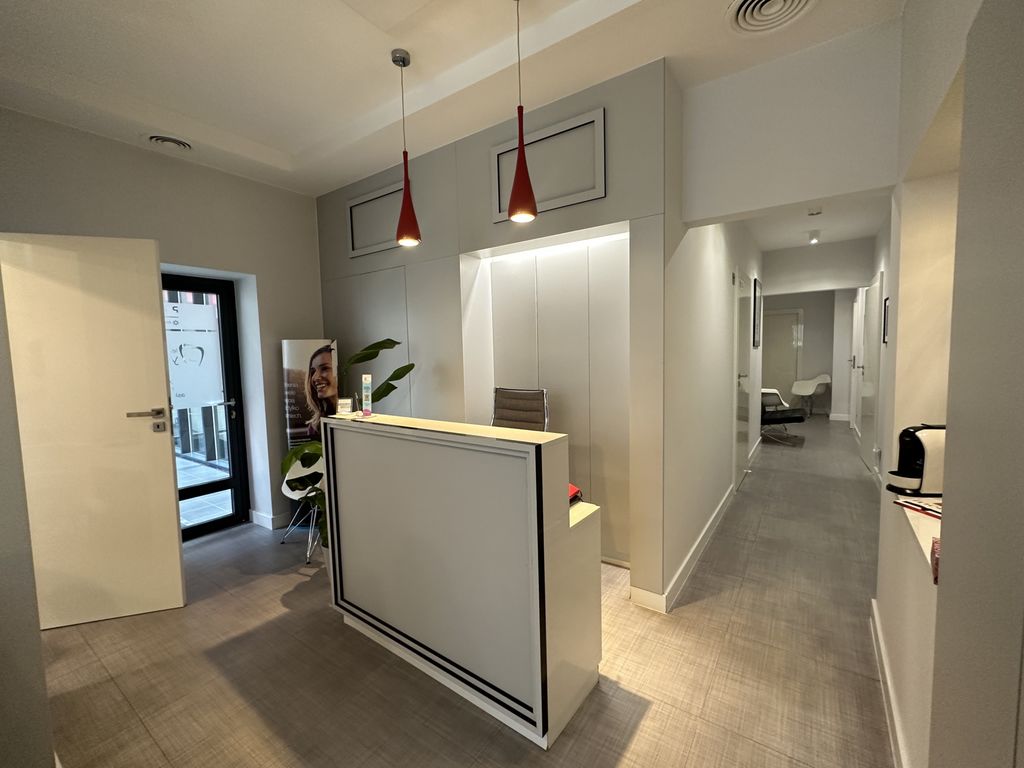
Śródmieście (central Warsaw), Mokotów, and Wilanów host premium clinics. Stare Miasto (Old Town) area has boutique historic-centre practices. Ochota and Wola are newer districts with modern facilities. Praga-Północ (right bank of Vistula) serves the eastern Warsaw market. Warsaw Dental Academy, NATADENT, and Premium Dental Clinic are top-rated options across these districts.
How much does dental work cost in Warsaw?
Single dental implants cost EUR €700-€1,300 in Warsaw vs £2,400 UK or €3,500 Germany. Porcelain veneers EUR €280-€500 per tooth vs £800 UK. Zirconia crowns EUR €250-€450. All-on-4 full-arch implants EUR €6,000-€9,500 per arch vs £15,000 UK or €20,000 Germany. Savings of 50-70% with EU-standard clinical quality.
Do Warsaw dentists speak English?
Yes, at all SmileJet-verified clinics. English fluency is standard given Poland's large UK/Irish dental tourism market. Many Warsaw dentists also speak German (substantial German/Austrian patient base), Russian, or Ukrainian. Treatment plans, consent forms, and aftercare instructions are provided in English by default. Some clinics offer same-day translation for other languages.
How long do I need to stay in Warsaw for dental work?
Veneers and crowns typically need 5-7 days across 2-3 appointments. Dental implants require 7-10 days for placement, with a return visit 4-6 months later for the final crown. All-on-4 full-arch implants take 10-14 days. Same-day implant protocols are available at select Warsaw clinics. Warsaw's rebuilt Old Town (UNESCO), POLIN Museum, and Chopin parks make extended stays enjoyable.
How do I get to Warsaw for dental work?
Warsaw Chopin Airport (WAW) and Warsaw Modlin (WMI, low-cost) have direct flights from London (2.5h), Manchester, Dublin, Birmingham, Berlin, Munich, Frankfurt, Vienna, Amsterdam, Rome, and hundreds of other cities. Ryanair, Wizz Air, and EasyJet offer fares often under €60 return from UK cities. Airport bus 175 or SKM train reaches the city centre in 30-40 minutes.
Is Warsaw safe for dental tourism?
Yes. Warsaw is consistently ranked among Europe's safest capital cities. Public transport (Metro, tram, bus) is safe, clean, and efficient. Standard urban precautions apply: watch for pickpockets in tourist areas (Old Town, around main train station), use registered taxis or Bolt/Uber. Premium dental districts and central Warsaw are very safe day and night.
What implant brands do Warsaw clinics use?
Top Warsaw clinics use Straumann (Switzerland), Nobel Biocare (Sweden), Ankylos/Astra Tech (Dentsply Sirona), Camlog (Germany), and MIS (Israel) — identical to Western European clinics. IPS E.max (Ivoclar Vivadent), Zirkonzahn, and BruxZir are standard for crowns and veneers. Many clinics use in-house CAD/CAM for same-day ceramic restorations. Material certificates provided.
Why is Poland so popular with UK dental tourists?
Poland has served UK patients since EU accession in 2004 — mature English-language infrastructure, cheap direct flights from virtually every UK city, 50-70% savings vs UK private prices, and EU clinical regulation. Many Polish dentists studied in the UK or completed UK specialty training. The substantial Polish community in the UK has also driven strong cultural/clinical familiarity.