Is dental work in Mexico safe?
Yes. Mexican dentistry is regulated by the Federal Commission for Protection against Sanitary Risk (COFEPRIS). SmileJet partner clinics hold a 4.7 average rating across 26,600+ reviews. Many Mexican dentists trained in the US (UCLA, USC, NYU, University of Michigan) and clinics use identical implant brands and materials to US practices. Top clinics hold ADA and AAID affiliations.
How much can I save on dental work in Mexico?
Typical savings versus US prices are 70-80%. Single dental implants cost USD $800-$1,400 in Mexico vs USD $3,500 in the US. Porcelain veneers range USD $350-$650 per tooth vs USD $1,800. Zirconia crowns cost USD $300-$500. All-on-4 full-arch implants run USD $7,500-$12,000 per arch vs USD $25,000 at home.
Which Mexican city is best for US dental tourists?
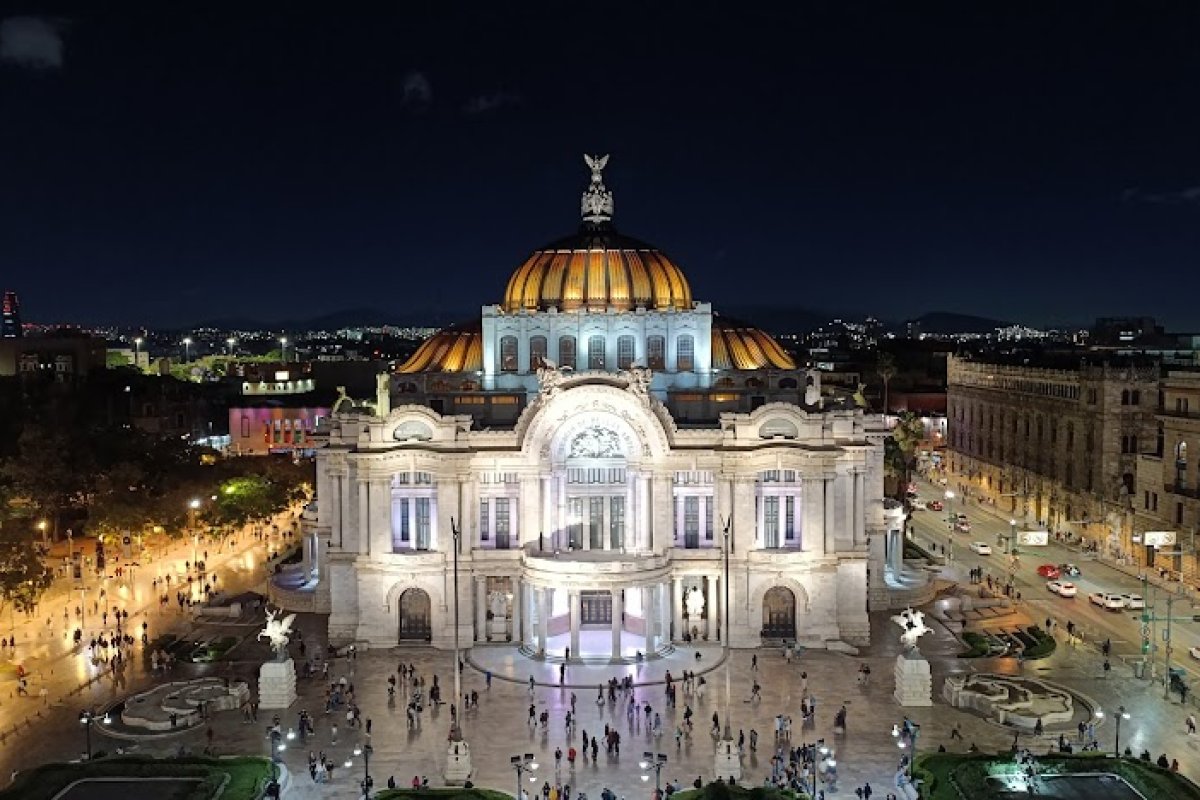
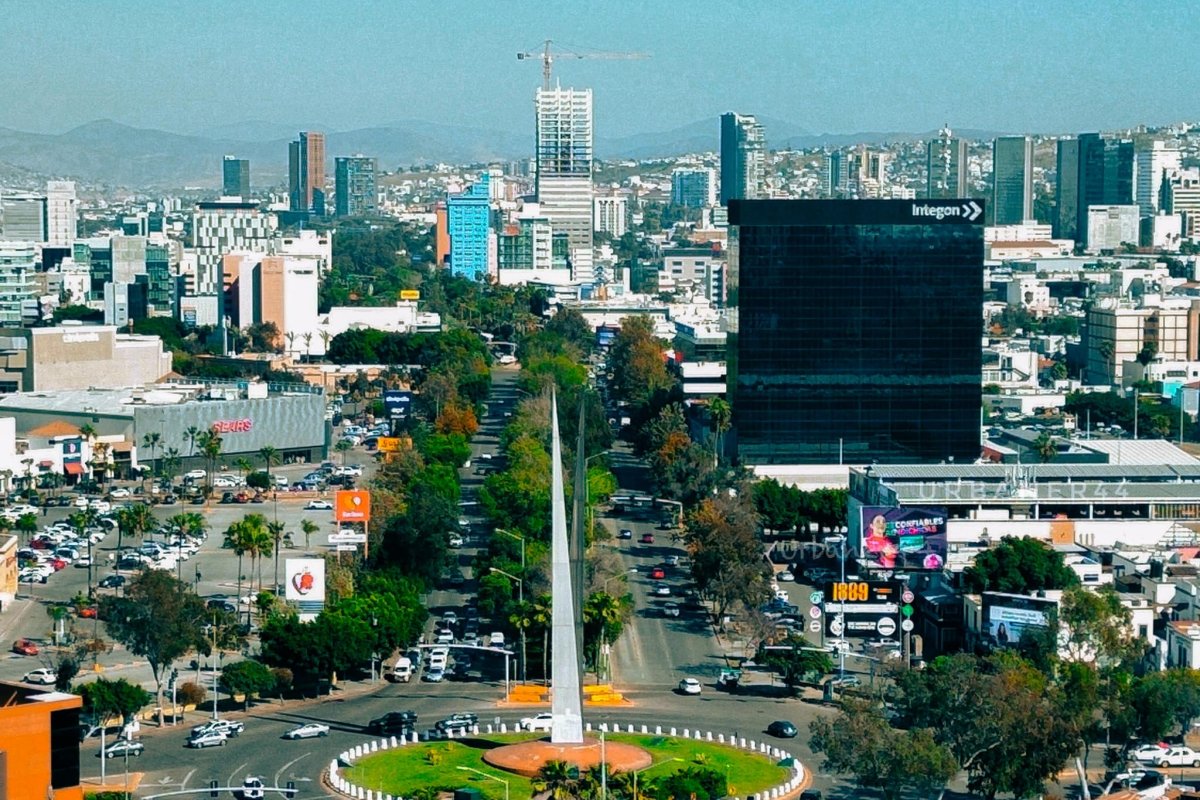
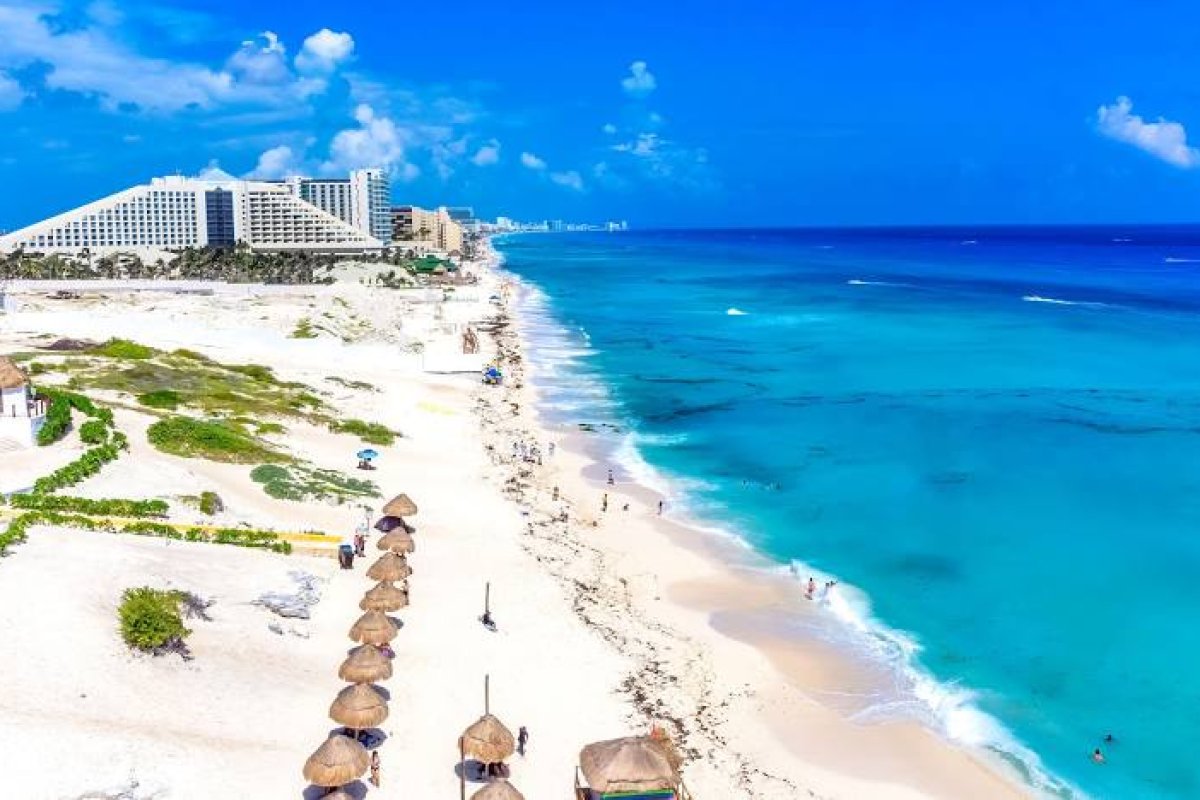
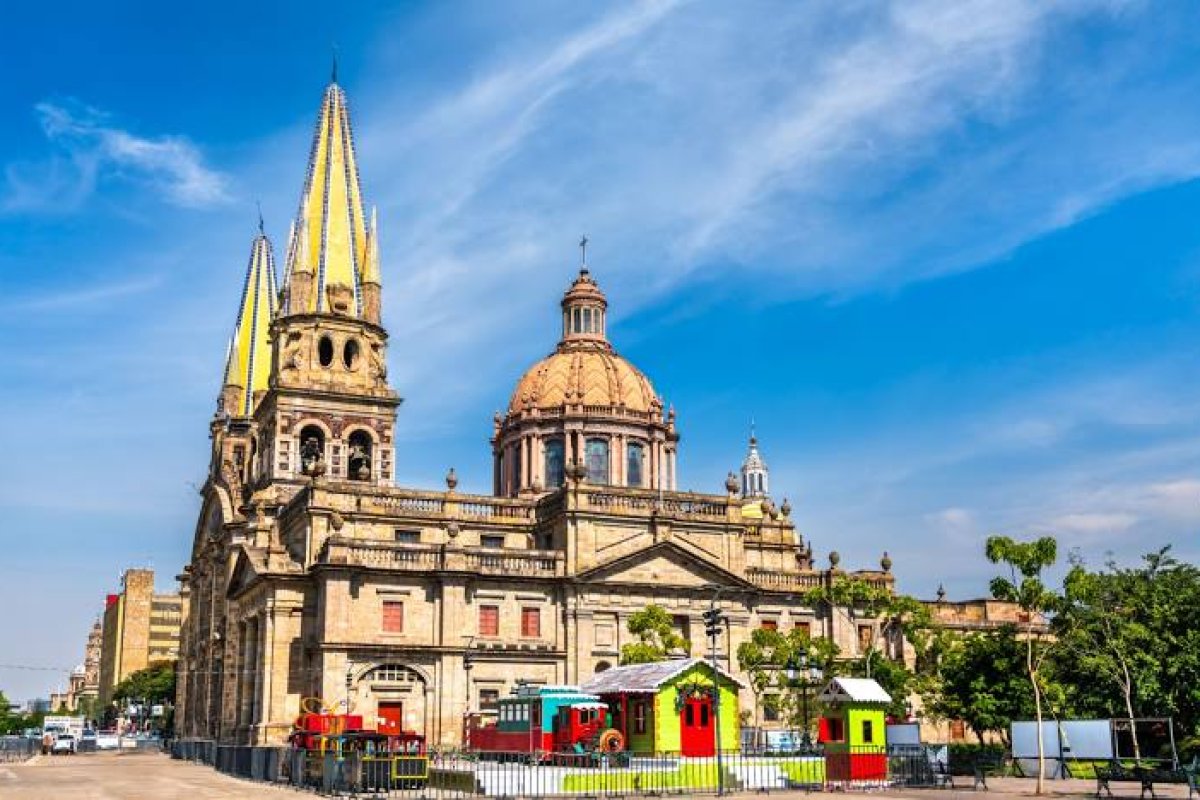
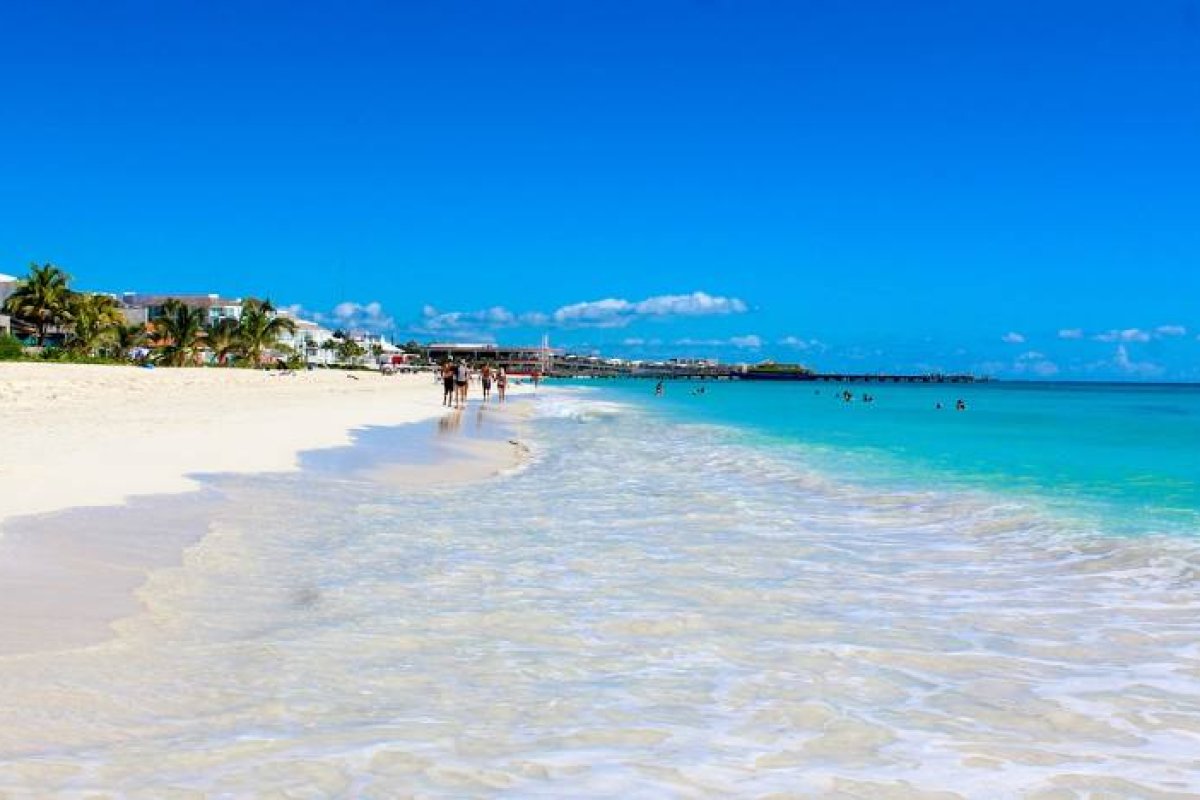
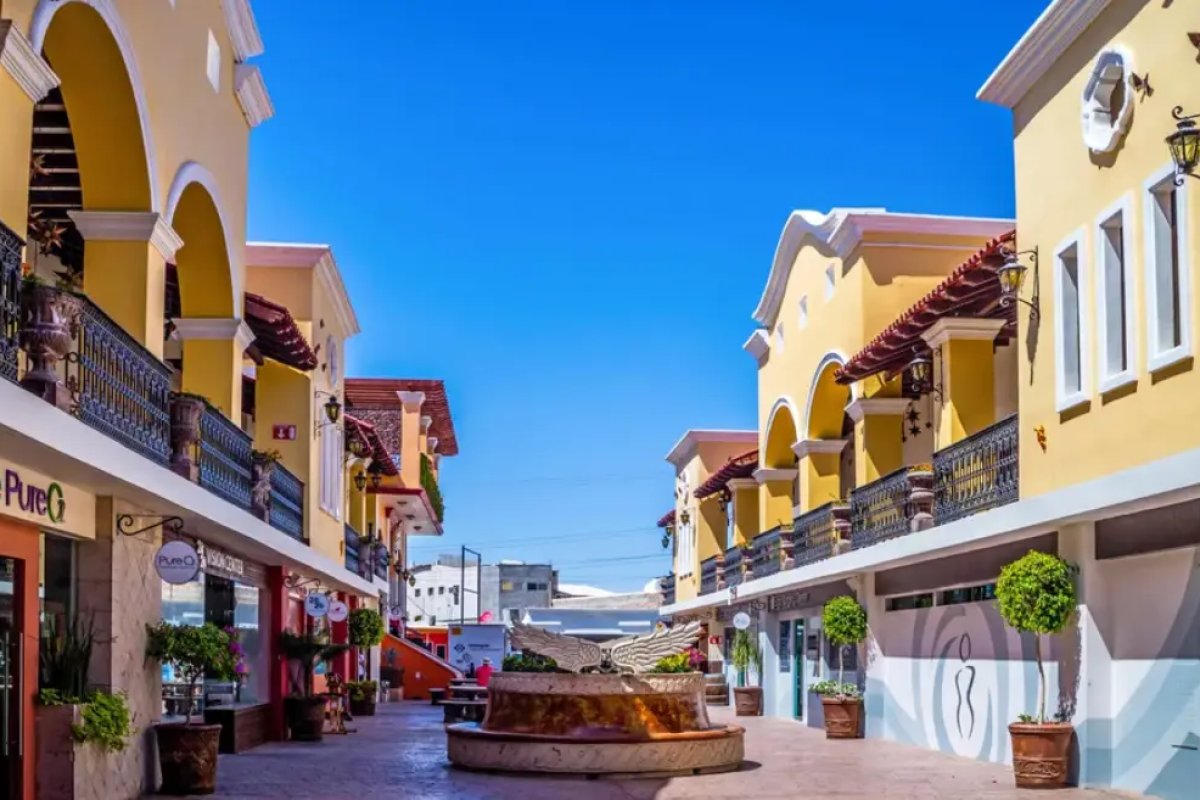
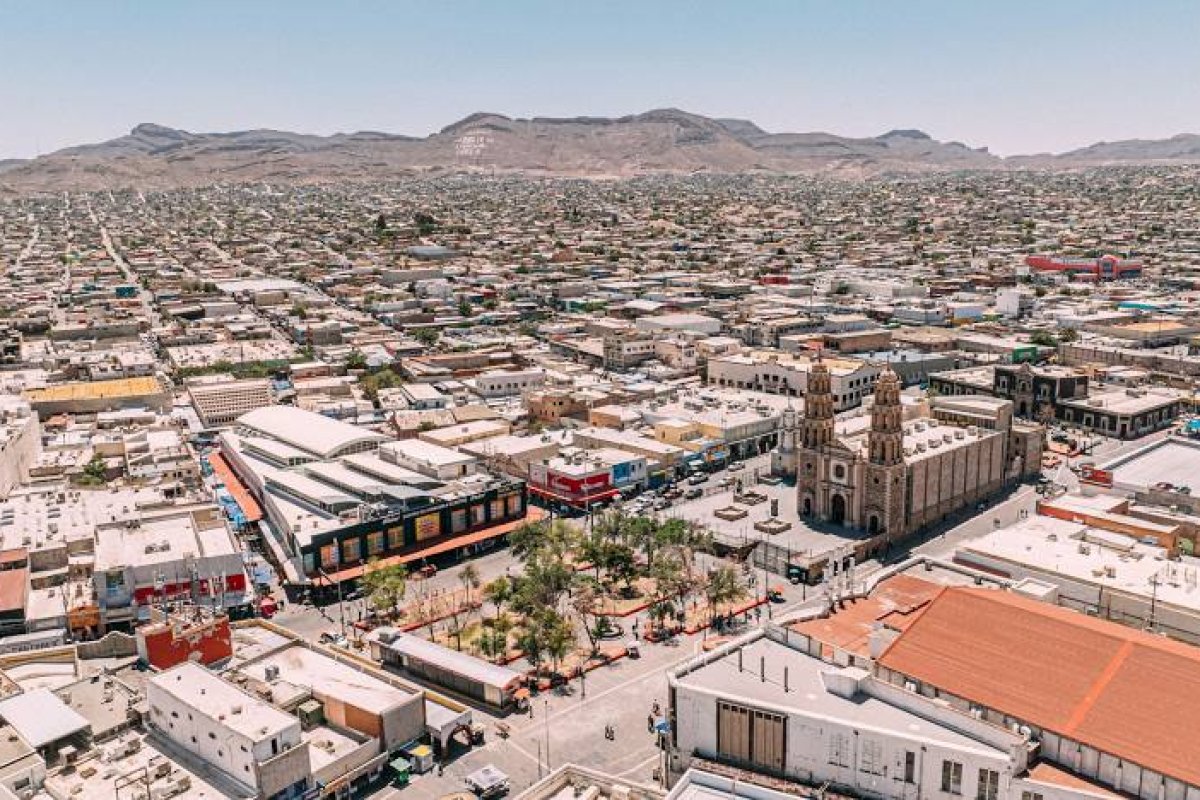
Border cities offer drive-in convenience: Tijuana (78 clinics, 20 min from San Diego), Los Algodones (near Yuma AZ, 'Molar City'), Juárez (20 clinics, across from El Paso), and Mexicali. Cancún (75 clinics) combines dental work with Caribbean beaches. Mexico City (76 clinics) offers the most specialist coverage. Playa del Carmen (23 clinics) serves leisure travellers along the Riviera Maya.
Do I need a passport and visa to visit Mexico?
US, Canadian, EU, UK, Australian, and most Latin American citizens can enter Mexico visa-free for up to 180 days with just a passport. US citizens can also cross border towns like Tijuana or Juárez for short dental visits with just a passport card. No special medical visa is required. Your passport must be valid for the duration of your stay.
How long do I need to stay in Mexico for dental work?
Border-town visits (Tijuana, Juárez) often take 1-3 days for veneers or crowns. Dental implants require 5-7 days for placement, with a return visit 4-6 months later. All-on-4 full-arch implants take 7-10 days. Many US patients split treatment across multiple short trips. Cancún and Mexico City patients typically stay 7-14 days including leisure time.
Do Mexican dentists speak English?
Yes — fluently at all SmileJet partner clinics. US border cities (Tijuana, Juárez, Los Algodones) have particularly high English fluency given the patient demographic. Many Mexican dentists trained or practiced in the US and speak both languages natively. Treatment plans, consent forms, and aftercare instructions are always provided in English.
What implant brands are used by Mexican clinics?
Top Mexican clinics use Straumann (Switzerland), Nobel Biocare (Sweden), BioHorizons (US), Zimmer Biomet (US), Neodent (Brazil/Straumann), and MIS (Israel). IPS E.max (Ivoclar Vivadent) and Zirconia BruxZir are standard for crowns and veneers. Every clinic provides material certificates with treatment and warranties comparable to US standards.
Is Mexico safe for dental tourism?
Dental tourism areas are safe. Tijuana's medical district (Zona Río), Cancún hotel zone, Playa del Carmen's Fifth Avenue, and upscale Mexico City neighborhoods (Polanco, Condesa, Roma) are all safe for standard tourism. Most clinics provide private airport pickup, hotel transfers, and English-speaking patient coordinators. Avoid isolated areas at night and use reputable transportation (Uber widely available).
What's the best time of year to visit Mexico?
Cancún and Playa del Carmen: November to April (dry season, ideal weather). Avoid hurricane season (August-October). Mexico City: March-May and September-November (pleasant temperatures, less rain). Border cities: year-round, though summer (June-August) can be very hot. Dental clinics operate continuously; choose based on whether you want beach time.