University Hospital L. Pasteur Kosice is the largest university teaching hospital serving eastern Slovakia. The institution operates as the main academic medical center for the region, with the wider hospital providing comprehensive medical, surgical, and specialty care across all major disciplines. Within the hospital, the stomatology and maxillofacial surgery clinic provides public sector and university teaching dental care for patients with complex medical, surgical, or pathological dental needs that go beyond what private clinics typically handle.
The hospital is named after Louis Pasteur, the French microbiologist whose pioneering work on infection control underpins modern medical practice. As a university teaching hospital affiliated with the Pavol Jozef Safarik University Medical Faculty, the institution combines clinical care with medical education and research, training the next generation of Slovak doctors, dentists, and specialty surgeons. For patients with complex needs, this academic environment supports access to current evidence based protocols and consultant level supervision across difficult cases.
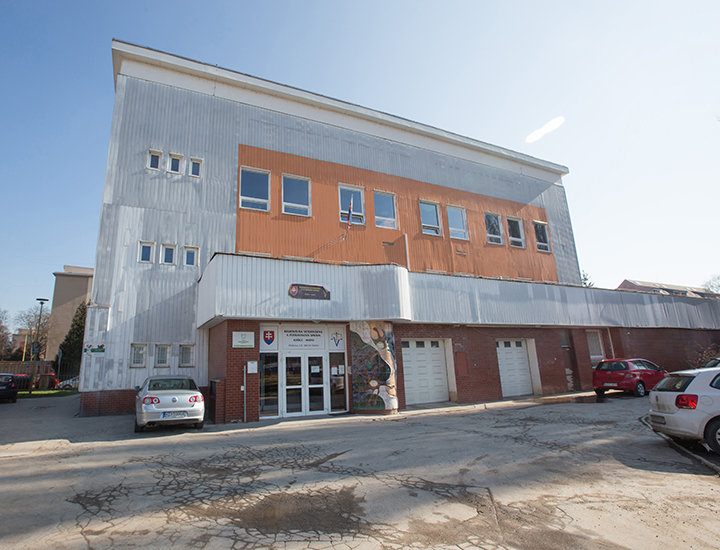
The Trieda SNP location places the hospital in central Kosice, accessible from major Old Town hotels by short rideshare or taxi and well connected by public transit through the wider Kosice tram and bus network. Kosice International Airport is approximately fifteen to twenty minutes from the hospital by taxi, supporting access for patients arriving from across central Europe by air. The hospital itself occupies a substantial campus with multiple specialty buildings, supporting the broad range of medical and surgical services it provides.
The dental services available within University Hospital L. Pasteur Kosice are concentrated around cases that genuinely benefit from a university teaching hospital environment rather than private clinic care. Maxillofacial surgery for facial trauma, reconstructive surgery after head and neck cancer treatment, orthognathic surgery for severe jaw position correction, treatment of pathological lesions in the mouth and jaws, complex dental management for patients with significant medical comorbidities, and specialty pediatric dentistry under general anesthesia for severe cases are all part of the appropriate referral mix.
The institutional structure means that University Hospital L. Pasteur Kosice can provide care under general anesthesia in dedicated operating theaters, can admit patients for inpatient care for major surgical procedures, can coordinate with intensive care, anesthesiology, hematology, oncology, and other specialty services across the institution, and has access to advanced imaging including computed tomography, magnetic resonance imaging, and other diagnostic capabilities that exceed anything available at private dental clinics.
For international patients, the hospital is appropriate for cases that involve genuine medical complexity. Patients with facial trauma requiring reconstructive surgery, those with malignant or premalignant lesions in the mouth or jaws requiring biopsy and surgical management, those needing orthognathic surgical correction of jaw position, those with severe medical conditions whose dental treatment requires multidisciplinary coordination, and those needing dental care under general anesthesia for medical reasons are all appropriate candidates for evaluation at this institution.
Routine dental care, aesthetic dentistry, implant placement for straightforward cases, and standard restorative work are not the typical case mix at the hospital. Patients seeking these services are better served by private dental clinics elsewhere in Kosice, where the consumer focused experience, scheduling flexibility, and pricing structures are better aligned with elective dental care. The hospital's role is to provide the more complex care that private clinics cannot or do not provide.
The university teaching nature of the institution means that the staff includes consultant specialists at the senior level alongside specialty trainees, junior doctors, and medical students at various stages of professional development. All care is delivered under structured supervision consistent with European university teaching hospital standards. For patients, this means experienced senior specialists oversee care even when initial evaluation is performed by less senior team members, but it also means the patient experience is more institutional and less personalized than at private clinics.
Communication at University Hospital L. Pasteur Kosice operates primarily in Slovak. English support is available given the academic and international research orientation of the wider hospital and the university medical faculty, particularly within specialty consultations and research focused services. International patients should expect a more institutional and clinical experience than at private practices, with care delivered through structured hospital protocols, more extensive documentation, more formal consent processes, and clinical decision making that follows established hospital pathways.
Pricing follows the regulated and partially insurance funded structure of Slovak public hospital care. Slovak insured patients have qualifying treatment processed through the national health insurance system. International patients with European Health Insurance Cards typically have emergency and medically necessary care covered through reciprocal arrangements, while elective care for international patients without Slovak insurance is processed according to published institutional pricing. The hospital based pricing structure means that costs are typically substantially lower than equivalent specialty surgical care at private hospitals in Austria, Germany, the United Kingdom, and Switzerland.
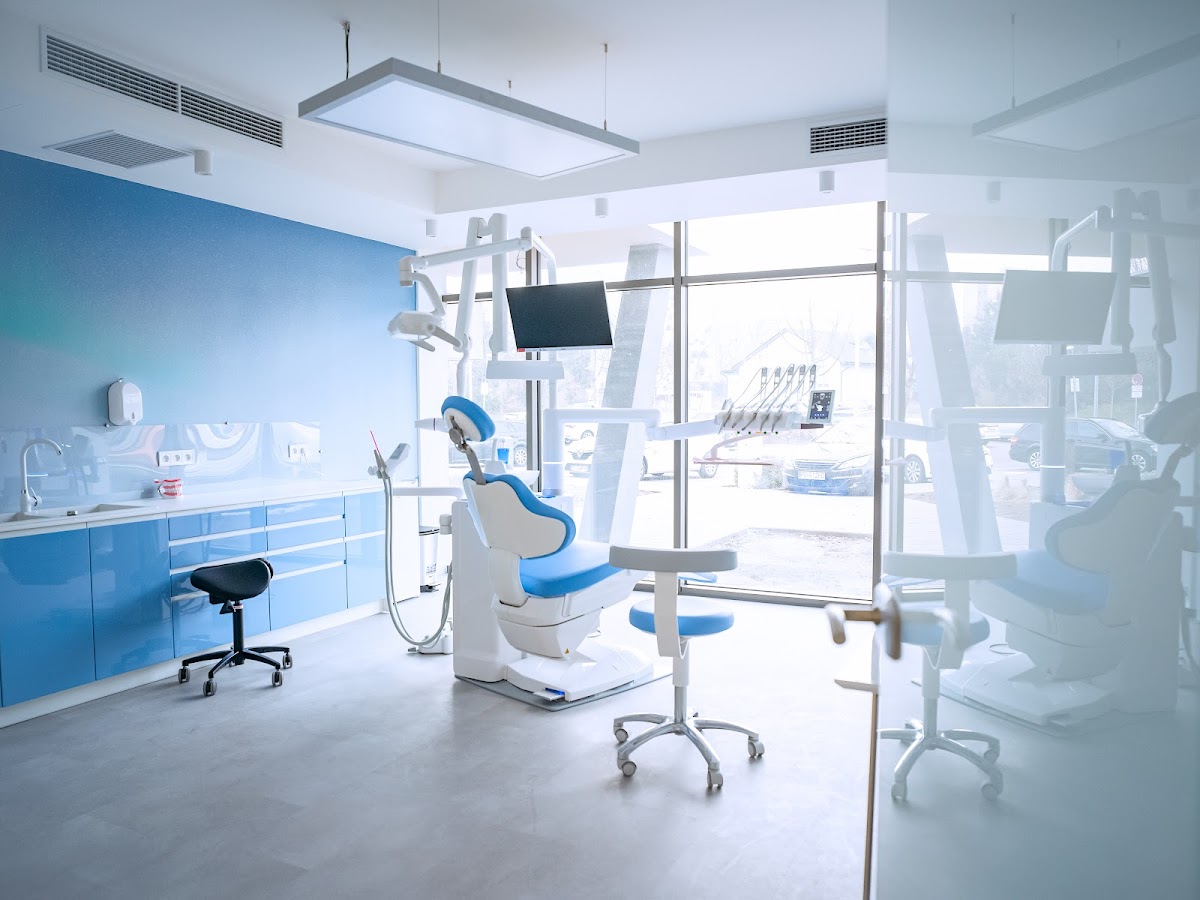
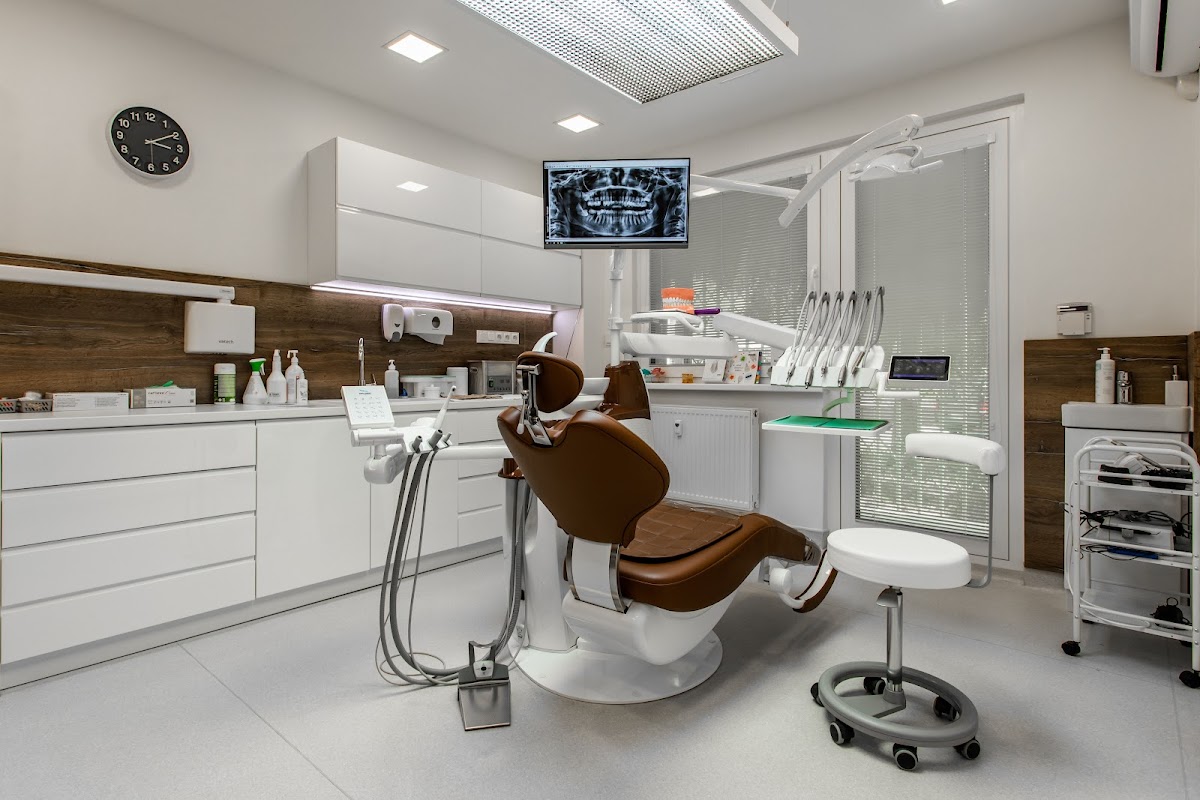
The non commercial institutional nature of the hospital means that the patient experience differs significantly from private specialty clinics. Wait times for non urgent specialty consultations can be extended due to demand and resource allocation, scheduling is governed by clinical priority and institutional capacity rather than purely commercial considerations, and the clinical environment is functional rather than design forward. The infrastructure prioritizes clinical capability and institutional reliability over consumer experience optimization.
For international patients, the hospital is appropriate primarily for genuine emergency presentations and for complex specialty care that private clinics cannot provide. Patients with European Health Insurance Cards facing dental emergencies in Kosice that exceed the scope of private emergency clinics, patients arriving with complex medical needs whose dental care must be integrated with broader medical management, and patients referred to the institution by other clinicians for specialty surgical care are the typical international patient profiles appropriate for the hospital.
For patients seeking elective dental care, aesthetic dentistry, implant treatment, or other consumer focused dental services, University Hospital L. Pasteur Kosice is unlikely to be the right choice. The private dental clinics elsewhere in Kosice provide better patient experience, scheduling flexibility, and consumer focused care for these needs. The hospital's appropriate role is to support the genuinely complex specialty care that private practices cannot deliver, backed by university teaching infrastructure and the comprehensive resources of a major academic medical center serving eastern Slovakia.