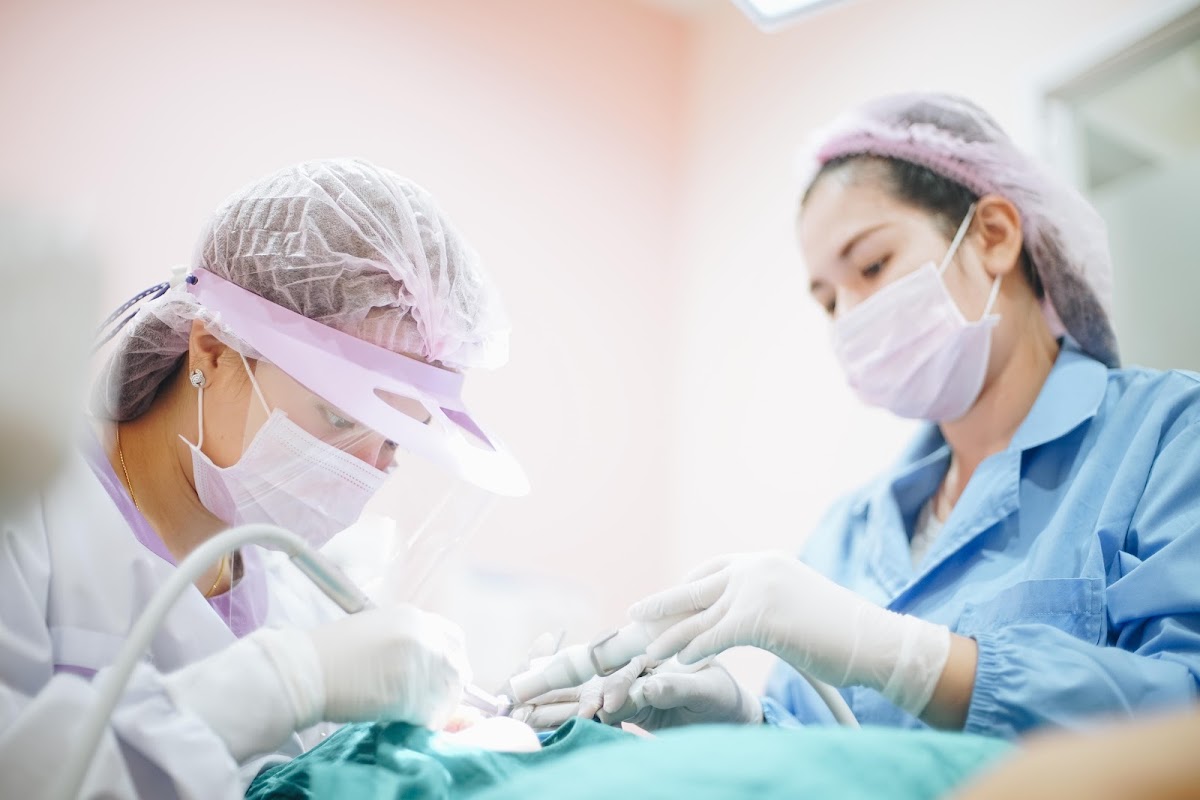
Smile Design Phuket Dental Clinic (คลินิกทันตกรรม สไมล์ดีไซน์ ภูเก็ต) is a dental clinic located in Kathu, Phuket, Thailand, offering cosmetic and general dental services including...
- 43 Patient reviews aggregated
- 23 Photographs of the practice
Free to use. We are not this clinic and we take nothing from it. You pay the clinic directly, at its own prices.


Patients
What patients wrote about this clinic.
43 aggregated from Google. Screened and printed as written. We do not judge clinical results.
SmileJet patient reviews.
Write a reviewNo patient has reviewed Smile Design Phuket Dental Clinic on SmileJet yet. If you were treated here, your review helps the next person decide.
What the labels mean
- Booked through SmileJet SmileJet coordinated this patient's treatment at this clinic and sent them a one-time review link. It proves the booking, not the clinical result.
- Invoice seen by SmileJet The patient showed us an invoice or receipt from this clinic for this treatment. We never publish it.
- Submitted to SmileJet Written on SmileJet by someone who confirmed their email address. We screened it but hold no proof of a visit.
Clinics cannot pay to remove, hide or reorder reviews. How we check reviews.
Reviews from Google.
Collected from the clinic's Google listing and shown for context. They are not counted in SmileJet patient ratings, Worth It or prices.
out of 5, from 43 reviews
All the staff and the doctor here are incredibly kind and provide excellent service. I went for a consultation about orthodontics and wisdom tooth extraction. The doctor was very gentle and skilled; my face didn't swell at all. Thank you so much to the staff and the doctor for the outstanding and wonderful service!
Reply from the clinic
Thank you for trusting us to take care of you. We promise to maintain this standard for all our customers, ensuring you have a positive experience. Thank you again.
I needed stitches removed from a wisdom tooth I had removed back home. I visited several clinics and settled on this one. The staff is friendly, the prices are REASONABLE, and the dentist is fantastic. No inflated prices or scams. I'll always go here if I have any dental problems and recommend them to everyone. :)
1. Use of Language and Tone There were several instances where the doctor used sarcastic language and comparisons that were not relevant to the situation. For example, mentioning my tattoo to tell me to "endure" created confusion and may have made the patient feel worthless instead of receiving understanding and encouragement. Using personal references is not valuable in medical communication.…
Read the rest of this review
2. Response to Unexpected Events During a procedure, a medical instrument touched my mouth. Although it wasn't painful, it startled me, and I recoiled. The medical assistant responded with a stern and cold tone, which not only failed to relax me but may have increased my pressure and diminished trust in the treatment team.
Reply from the clinic
Thank you for your review. Please allow me to clarify: 1. There were several instances where the doctor used sarcastic language. As you mentioned, I've taken some time to think about it, but I truly can't recall which words led to that misunderstanding. However, regarding the "referring to tattoos," I admit that I was being serious. The patient was afraid of anesthesia, but seeing so many tattoos, I said it as a joke. However, this comment made the listener feel devalued. I sincerely apologize. I had no ill intentions, and I accept any criticism to improve. 2. The assistant used a stern, cold tone. In that incident, when the doctor was grinding teeth and an accident occurred, everyone—the doctor, the assistant, and you—were shocked. However, we responded poorly to the unexpected incident, using a harsh, unfriendly tone. However, the doctor apologized to you at that time. No one wants such an incident to happen. The doctor has warned the assistant to use a more friendly tone with all patients. Thank you for taking the time to write this review so that we can improve our service.
The dentist was very gentle, spoke kindly and was lovely throughout. I'm getting my braces done at this clinic and my teeth are almost perfectly aligned now! 🩷 …
The doctor was lovely and gave excellent care and advice. The staff were also very nice and friendly.
The doctor gave me excellent advice and recommendations. The receptionist also gave good advice and spoke politely. I never had to wait in line for a long time.
Want the same for your own teeth? Send a photo and we will come back with a written quote from Smile Design Phuket Dental Clinic.
Ask on WhatsAppAt a glance
Smile Design Phuket Dental Clinic in brief.
- Clinic
- Smile Design Phuket Dental Clinic
- Patient rating
- 4.7 out of 5, from 43 aggregated reviews
- Listed as
- A listed clinic, not a featured partner. How we check.
- Listing checked
- 29 April 2026
About
What this clinic actually does.
Smile Design Phuket Dental Clinic (คลินิกทันตกรรม สไมล์ดีไซน์ ภูเก็ต) is a dental clinic located in Kathu, Phuket, Thailand, at coordinates 7.8996°N, 98.3501°E. Situated in the Kathu district at the centre of Phuket island, the clinic is conveniently positioned for patients staying across the island's main resort and residential areas. The clinic maintains an active Facebook presence at facebook.com/smiledesignphuketdentalclinic.
As the name indicates, smile design is a core focus of this dental clinic in Phuket. Smile design procedures involve a comprehensive assessment of tooth shape, colour, alignment, and proportion to create a treatment plan tailored to the patient's facial aesthetics. This cosmetic planning approach is well suited to dental tourists who arrive with a clear goal of improving their smile during a Phuket visit.
Read the rest of the description
Veneers in Phuket are a natural extension of smile design work. Porcelain and ceramic veneers are used to correct discolouration, chips, gaps, and mild alignment concerns as part of broader cosmetic treatment plans. The clinic's focus on smile design distinguishes it from general dental practices, with greater emphasis on aesthetic outcomes and visual treatment planning.
Dental implants in Phuket are also offered at Smile Design Phuket Dental Clinic for patients requiring tooth replacement as part of their overall smile restoration. Implants provide a permanent foundation for crown restorations, integrating naturally into the aesthetic treatment plan developed by the clinic's dental team.
The Kathu location at coordinates placing it near the Phuket bypass road gives the clinic excellent accessibility. Patients arriving by taxi from Patong Beach, Kamala, or Phuket Town can typically reach the clinic in under 20 minutes. This central position makes the clinic a practical base for dental tourism Phuket Thailand patients managing multiple appointments across a short visit.
General dental care including examinations, cleaning, fillings, and preventive treatment is available alongside the clinic's cosmetic services. Patients seeking teeth whitening Phuket can combine a whitening appointment with a smile design consultation to assess the full range of options for their case.
Smile Design Phuket Dental Clinic's specific focus on smile design and cosmetic dentistry, combined with its central Kathu location, makes it a targeted choice for patients whose primary goal in visiting a dental clinic in Phuket is aesthetic improvement through veneers, whitening, or implant-supported smile restoration.
Compare
Other clinics worth a quote.
Never take one quote. These are the nearest comparable practices we list.
Send a photo. Get three quotes.
One of them from Smile Design Phuket Dental Clinic. It costs nothing and it does not commit you to anything.
Is this your clinic? We wrote this listing from public sources. Claim it to correct the details, add your own photographs and publish your prices.
Claim this page