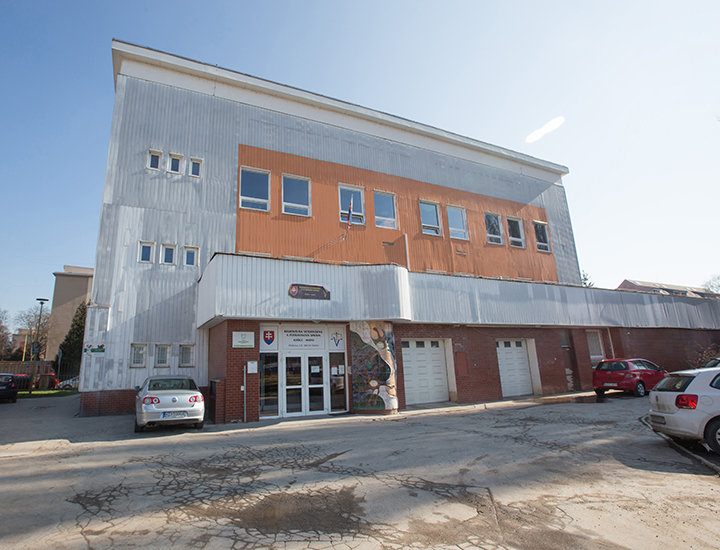
Akademia Kosice Zubna Pohotovost is the official dental emergency service for the Kosice region of Slovakia, operated by the Specialized Hospital for Head and Neck Diseases Akademia Kosice. The clinic is located at Bacikova 7 in the Stare Mesto Old Town district of Kosice and serves as the regulated after hours dental emergency provider for both Slovak residents and international patients in eastern Slovakia. For travelers staying in Kosice, this is one of the most reliable safety nets available for dental emergencies that arise outside standard private clinic hours.
The clinic is part of the wider Akademia Kosice institution, which also operates the Clinic of Stomatology and Maxillofacial Surgery affiliated with the Pavol Jozef Safarik University Medical Faculty. This academic and hospital integration gives the emergency service a depth of clinical expertise unusual at typical private emergency clinics, since the same network supports specialist surgical care for genuinely complex cases that may go beyond the immediate emergency response. For international patients facing serious dental trauma or complex acute presentations, this integration with a university affiliated hospital is a meaningful clinical advantage.
The Bacikova location places the clinic in central Kosice, within walking distance of major Old Town hotels, the historic city center, and the central pedestrian zone. The location is accessible to patients staying in central Kosice on foot, and is approximately fifteen to twenty minutes from Kosice International Airport by taxi for travelers arriving from elsewhere in central Europe. Public transit links serve the area through the wider Kosice tram and bus network.
Operating hours are structured to fill the gap left by typical Slovak private practices that close on weekday afternoons and weekends. Akademia Kosice Zubna Pohotovost opens every weekday from four in the afternoon until eleven at night, and on Saturdays and Sundays from seven in the morning until eleven at night. These hours cover the most common situations where standard private practices are closed, including weekday evenings, weekends, and public holidays in the Kosice region.
The clinic operates as a true emergency service rather than a planned care provider. Cases are seen in order of arrival and clinical urgency, with the team prioritizing patients with acute pain, infection, trauma, and other genuinely urgent presentations. Walk in attendance is the norm, and patients are typically not required to make appointments in advance, though calling ahead during peak weekend hours can help confirm capacity before traveling to the clinic.
The case mix at the clinic is typical of an emergency dental service. Patients arrive with severe tooth pain that has often been building for several days, with broken teeth from biting unexpectedly hard objects, with lost crowns or fillings that have suddenly given way, with trauma after accidents or sports injuries, with abscesses, with persistent post operative bleeding, and with other genuinely urgent dental concerns. The team handles all of these with the goal of resolving the immediate emergency, with referral for definitive follow up treatment with a regular dentist where required.
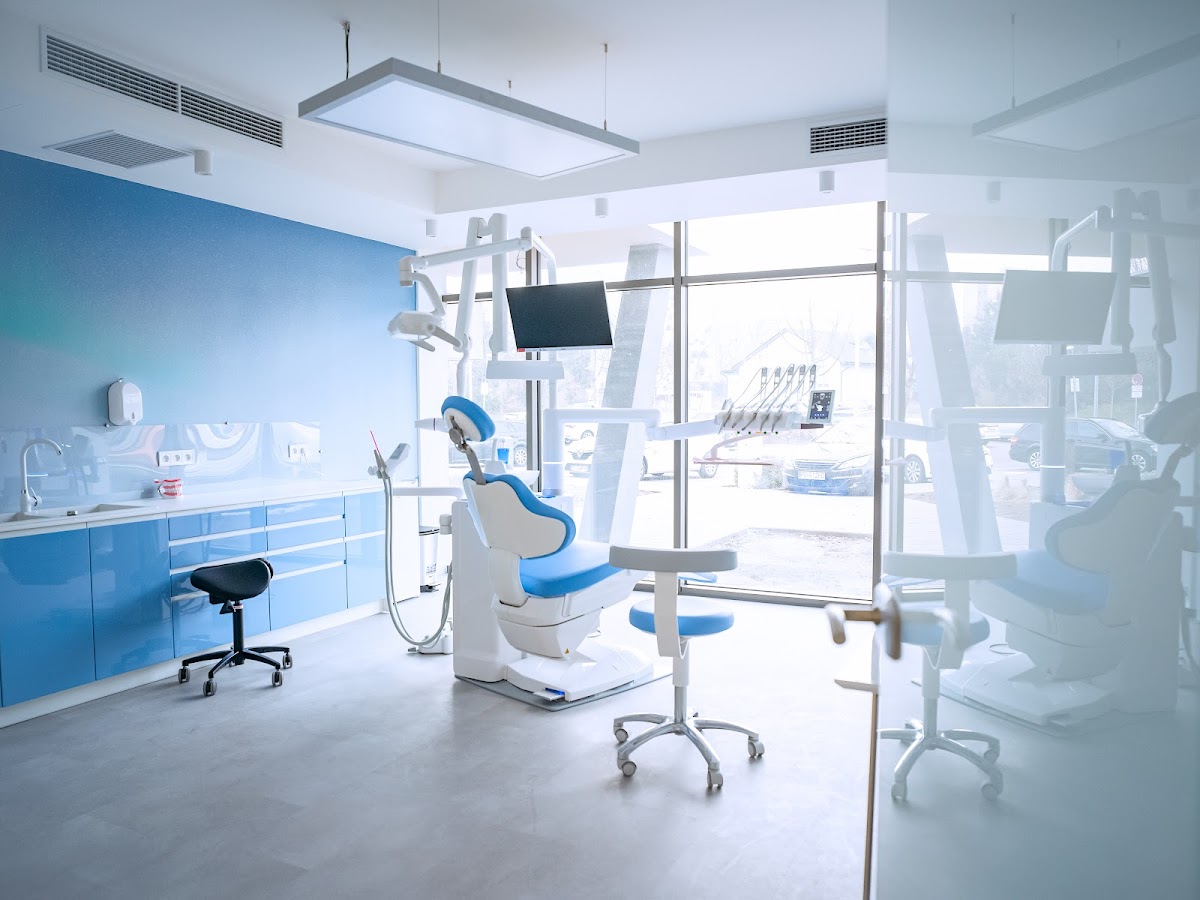
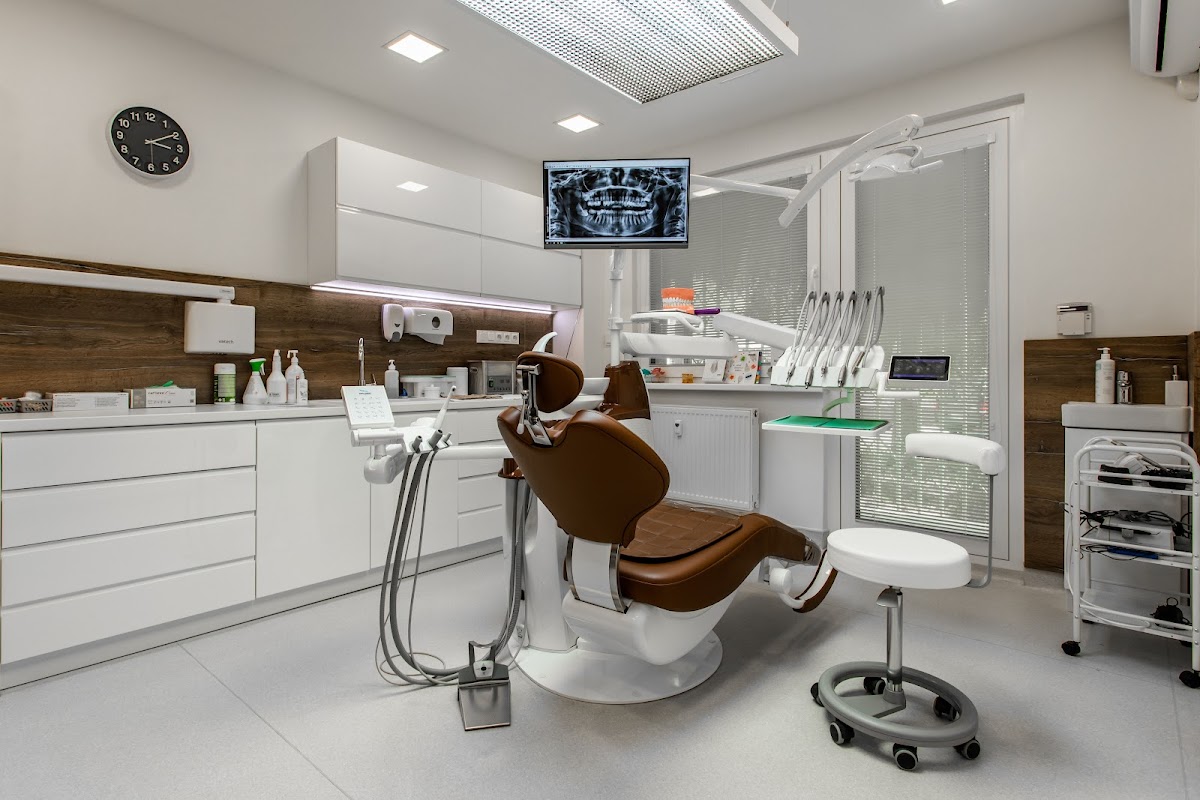
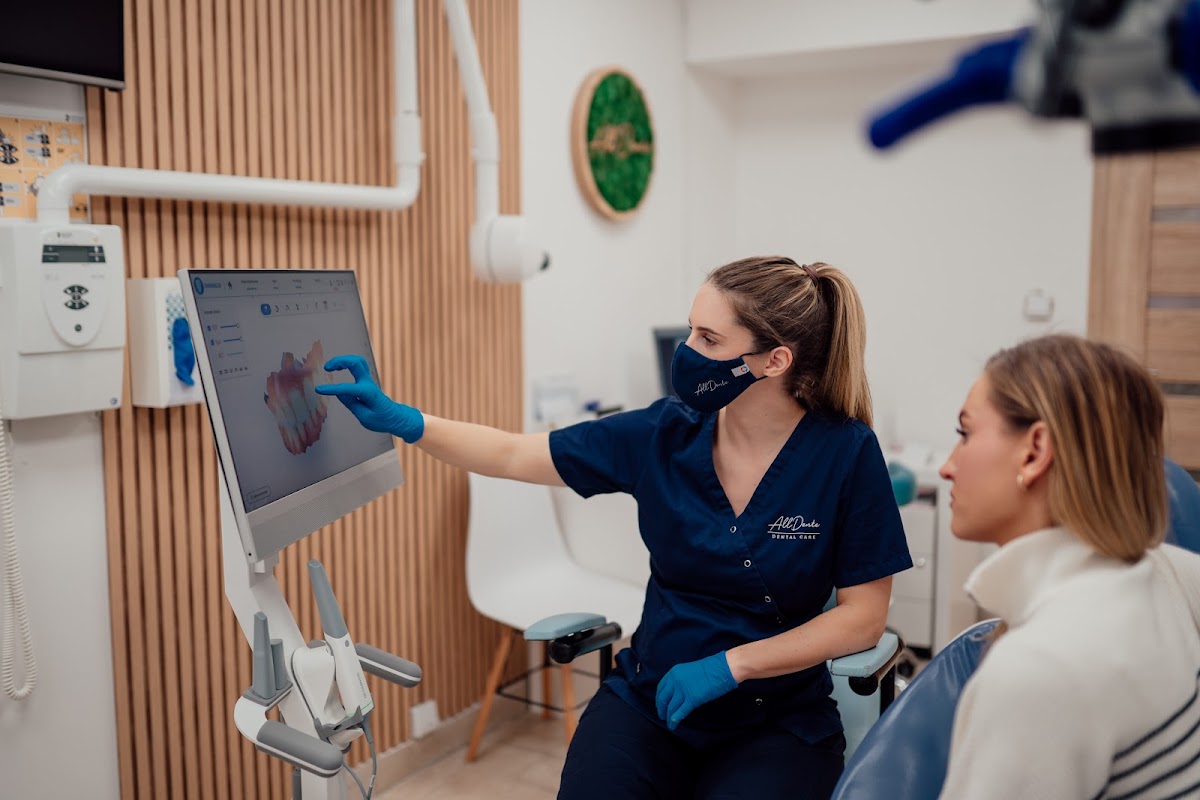
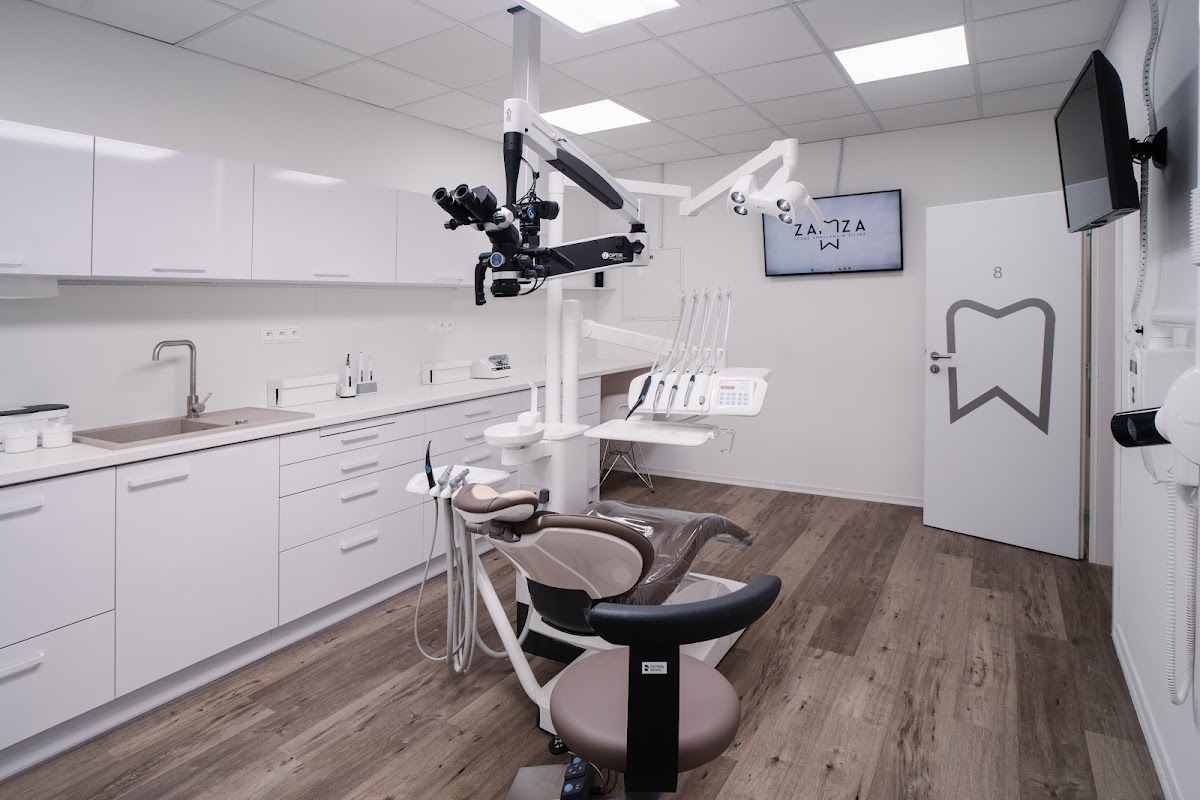
Imaging is produced in house at the clinic to support rapid diagnosis. Modern dental X-ray equipment supports both intraoral and panoramic imaging where needed for diagnostic clarity. Treatment proceeds in the same visit whenever clinically appropriate, with the team using modern local anesthesia technique to ensure that even urgent treatment is delivered without unnecessary discomfort. The hospital affiliation supports access to more complex imaging including computed tomography for cases that genuinely require it.
The connection to the wider Specialized Hospital for Head and Neck Diseases Akademia Kosice means that complex cases requiring specialist surgical management, hospital admission, or operating theater interventions can be coordinated through the same institution rather than requiring transfer to another hospital. While most emergency presentations are resolved at the clinic level, this integration provides a crucial safety net for the unusual cases where escalation is needed.
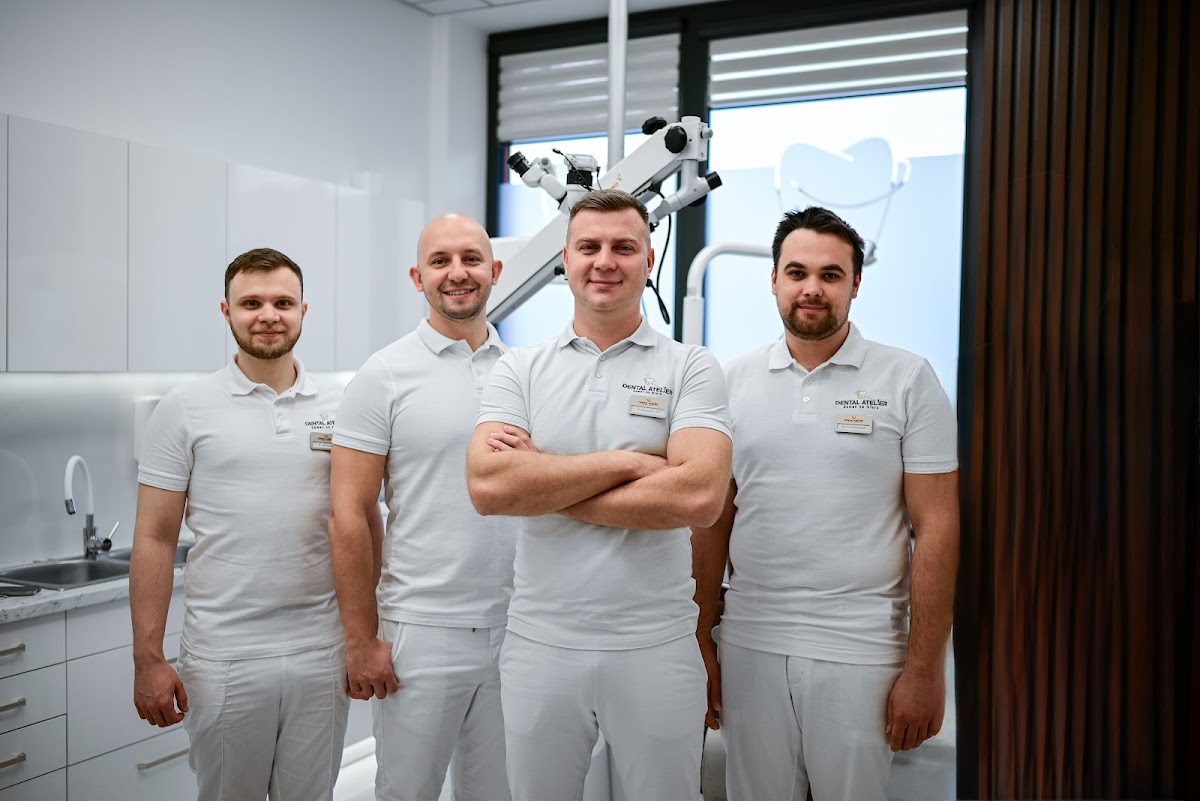
The university teaching affiliation also means that the staff includes clinicians at various stages of professional development, supervised by senior specialists. This is consistent with all teaching hospital emergency services across Europe and supports both quality care and ongoing clinical education. For international patients, the supervision structure means experienced clinical leadership oversees care even when initial evaluation is performed by less senior team members.
Communication operates primarily in Slovak, with English support typically available given the academic and international research orientation of the wider Akademia Kosice institution. International patients are encouraged to bring identification, insurance documents if relevant, and details of any current medications and known allergies, since these support faster and safer triage during emergency presentations.
Pricing at Akademia Kosice Zubna Pohotovost follows the regulated dental emergency pricing structure for the Kosice region of Slovakia. Slovak insured patients have qualifying treatment processed through the national health insurance system, while uninsured patients and international visitors pay according to the published emergency pricing list. Costs for emergency treatment are typically lower than equivalent care at private emergency clinics in Austria, Germany, and the United Kingdom, which makes the clinic financially accessible even for travelers facing unexpected dental issues.
The hospital based, regulated, after hours model differs significantly from private emergency clinics elsewhere in Kosice. Private emergency clinics often operate during similar hours but with different pricing structures, payment arrangements, and clinical staffing models. Akademia Kosice Zubna Pohotovost is the official regulated regional service, which is reflected in its institutional structure, its university affiliation, and its standardized care protocols.
For traveling patients, the practical safety net provided by a regulated regional dental emergency service in central Kosice is one of the most useful resources available in eastern Slovakia. Knowing that professional care is accessible in the most critical evening and weekend hours, with hospital backup for genuinely complex cases, removes one of the most stressful elements of planning extensive travel or treatment in the region. Even patients who plan to use other clinics for their main treatment benefit from having this regulated emergency service available as a backup.
Communication and documentation may be more institutional and less personalized than at private emergency clinics, which is consistent with the regulated and hospital affiliated nature of the service. International patients should expect a more clinical and less consumer focused experience than at private practices, but with the underlying clinical reliability that comes from a hospital based service backed by university teaching infrastructure. For genuine emergencies in Kosice, this is one of the most credible options available in eastern Slovakia.