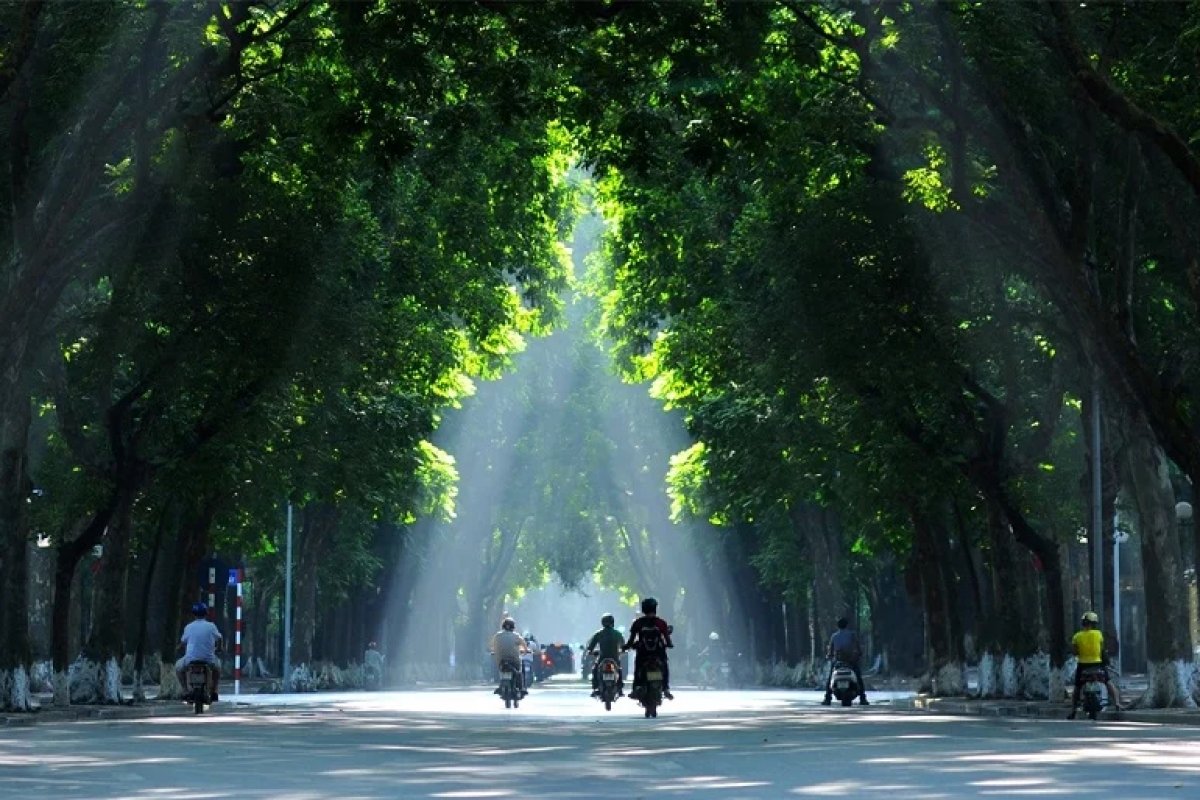
Every year, hundreds of thousands of Western tourists, retirees, and expats ask the same question before booking a trip to Vietnam’s capital: is Hanoi safe? The honest answer is yes, but with some important nuance. Hanoi is one of Southeast Asia’s safer destinations, with very low rates of violent crime against foreigners. But like any large city, it has its own risks: chaotic traffic, opportunistic scams, food hygiene variability, and healthcare quality that ranges from world-class to deeply questionable depending on where you go. This guide tells you exactly what to watch for, what to ignore, and how to stay safe, whether you’re visiting for a week or planning to live here.
Travelling alone as a woman? Our dedicated solo female travellers' guide to dental tourism in Hanoi covers night moves, sedation companion protocols, period planning and women-friendly hotels.
We also cover an increasingly important topic for medical tourists: dental safety in Hanoi. With thousands of Australians, Americans, Brits, and Canadians now travelling to Hanoi specifically for dental implants, veneers, and full-mouth reconstructions, knowing which clinics are safe, and how to vet them, is essential reading before you book.
Planning dental treatment in Hanoi?
SmileJet lists clinics with published accredited clinics in Hanoi with transparent pricing, English-speaking staff, and real patient reviews. Compare quotes low-risk.
Browse Hanoi Dental Clinics →1. Crime Statistics: How Safe Is Hanoi Really?
Vietnam consistently ranks among the safest countries in Southeast Asia for foreign visitors. According to the 2024 Global Peace Index, Vietnam sits at position 41 out of 163 countries, well ahead of Thailand (108), Indonesia (47), and the Philippines (134). Violent crime against foreigners in Hanoi is genuinely rare. Murder, armed robbery, and sexual assault rates in the capital are a fraction of what you’d encounter in comparable cities in the Philippines, Indonesia, or Central America.
The crime you are most likely to encounter as a tourist is opportunistic property crime: bag-snatching from motorbikes, pickpocketing in crowded markets, and scam overcharging. None of these involve physical violence as a norm, they’re theft by distraction or speed, not confrontation.
Quick verdict:
Hanoi has a low violent crime rate and a moderate petty theft rate. It is safer than most comparable Asian capitals for short-term tourists.
Safety Ratings by Category
| Category | Risk Level | Notes |
|---|---|---|
| Violent crime | Low | Very rare against foreigners |
| Petty theft / pickpocketing | Moderate | Old Quarter, Hoan Kiem Lake area |
| Bag-snatching (motorbike) | Moderate | Keep bags on inner shoulder away from road |
| Scams | Moderate | Taxi, cyclo, shoe-shine touts |
| Road traffic accidents | Higher Risk | Biggest cause of tourist injury in Vietnam |
| Drug crime | Low | Vietnam has very strict drug laws |
| Political unrest | Very Low | Stable one-party state |
2. Petty Theft & Common Tourist Scams
Understanding Hanoi’s petty crime landscape takes about five minutes, and that five minutes can save your trip. The scams are well-documented, somewhat predictable, and almost always avoidable once you know what to look for.
Motorbike Bag-Snatching
This is Hanoi’s most common tourist crime. A rider on a motorbike snatches a bag, phone, or camera as they pass, often targeting people walking close to the kerb or using phones in the open. Keep bags on the shoulder away from the road. Do not use your phone while standing on a pavement facing traffic. Cross-body bags with slash-resistant straps are a sensible purchase before you travel.
Taxi Scams
Fake or tampered taxi meters are common near tourist spots and Noi Bai Airport. Some cabs have “fast meters” that tick over far too quickly. Others quote a flat fee that sounds reasonable until you arrive. Use the Grab or Be app for all road transport, the price is fixed, shown before you confirm, and paid in-app. If you must use a metered taxi, only board genuine Mai Linh (green) or Vinasun vehicles with the correct phone number stencilled on the door.
Cyclo & Xe Om Overcharging
Cyclo drivers near the Old Quarter often quote one price in smiles and gestures and then demand ten times that on arrival. Always agree and confirm the exact price before you board, in writing on your phone if needed. A 15–20 minute cyclo ride in the Old Quarter should cost 50,000–100,000 VND (roughly USD $2–4).
Shoe Shine Touts
A classic: a friendly person drops a shoe-shine kit at your feet, begins polishing your shoes without asking, then demands an outrageous fee when done. Simply say no thank you and walk on, do not engage or allow them to start.
Street Food Price Inflation
Most Hanoi street food is legitimately cheap. However, some vendors near Hoan Kiem Lake and the tourist strip of Ta Hien Street have tourist menus with significantly inflated prices. Check the price before ordering. Restaurants with photo menus in the side streets of the Old Quarter (away from the main strip) are almost always honest.
Fake Tour Operators
Cheap copycat shops near the Old Quarter sell tours to Ha Long Bay, Sapa, and Ninh Binh under the names of reputable operators. Book directly through your hotel, Viator, or official booking platforms. Always get a written receipt with the company’s name, address, and VNAT (Vietnam National Administration of Tourism) licence number.
Scam Red Flags
- Anyone who approaches you on the street offering “free” advice
- Taxi drivers who say the meter is “broken”
- Tours priced 50 to 70% cheaper than competitors
- Anyone who grabs your belongings before agreeing a price
- Money changers offering “better rates” than official exchange booths
3. Traffic Safety & Crossing the Road in Hanoi
Let us be blunt: Hanoi traffic is the biggest safety risk you will face as a tourist. It is not violent crime. It is not scams. It is the approximately 7 million motorbikes weaving through a city grid that was not designed for them.
Vietnam has one of the highest road traffic fatality rates in Southeast Asia. The WHO estimates around 11,000 road deaths per year nationally, with a high proportion involving motorbike riders. Tourists are not immune. Pedestrian injuries from road accidents are among the leading causes of tourist hospitalisation in Hanoi.
How to Cross the Road in Hanoi
This sounds mundane but it is genuinely important, and many first-time visitors panic or make dangerous decisions when crossing. Here is the method:
- Don’t wait for a gap, there usually isn’t one, and waiting indefinitely is not safer.
- Step out slowly and steadily, make yourself visible and keep a constant pace.
- Make eye contact with oncoming riders where possible.
- Do not stop or lunge backwards suddenly, motorbike riders steer around a predictable pedestrian, not an erratic one.
- Cross with locals if you’re unsure, follow a Vietnamese person across and let them set the pace.
- Use pedestrian crossings and traffic lights where they exist, some intersections now have enforced signals.
Renting Motorbikes
If you are not an experienced motorbike rider, do not rent one in Hanoi. Full stop. The combination of unfamiliar traffic rules, aggressive riding culture, and the risk of driving without a valid licence (which voids travel insurance) makes it a genuine threat to your life. Rent a bicycle for short distances, use Grab for everything else.
Helmet Laws
Vietnam law requires helmet use on all motorbikes. If you take a Grab Bike (motorbike taxi), the driver provides a helmet, always wear it. Foreigners have been killed in accidents where helmets were not worn.
4. Food & Water Safety in Hanoi
Hanoi’s street food scene is world-famous, and the vast majority of it is safe for tourists who take basic precautions. Foodborne illness is the most common health complaint among visitors, but it is largely preventable.
Key Food Safety Rules
- Tap water is not safe to drink, always drink bottled water (look for an unbroken seal), and use it to brush your teeth in budget guesthouses.
- Ice is mostly safe in reputable restaurants, commercial ice in tubes or cylinders is made from filtered water. Avoid crushed ice from unknown sources.
- Street food cooked in front of you and served piping hot is almost always safer than pre-cooked food sitting at room temperature.
- High turnover stalls packed with locals at lunchtime are safer than quiet tourist-facing restaurants with slow service.
- Wash hands or use sanitiser before eating, not all streetside stalls have running water for customers.
- Fruit you peel yourself (banana, mango, dragon fruit) is safer than pre-cut fruit from unknown vendors.
Recommended Areas for Safe Street Food
Bun Cha Huong Lien (Dong Da district), Pho Thin (Dinh Tien Hoang), and any established breakfast stall in the Hoan Kiem area are well-regarded for quality and hygiene. Avoid pre-packed banh mi from unlabelled carts on very hot days, meat fillings can spoil quickly.
If you do get sick
Oral rehydration salts (ORS) are available at every pharmacy. Mild food poisoning usually resolves in 24–48 hours with rest and hydration. For severe symptoms (blood in stool, very high fever, prolonged diarrhoea), visit Hanoi French Hospital or Vinmec International Hospital, both of which serve English-speaking patients.
5. Dental Safety in Hanoi: What You Need to Know
For the growing number of international patients travelling to Hanoi for dental treatment, the question of dental safety is not abstract, it’s central to the entire trip. The good news: Hanoi’s top-tier dental clinics operate to genuinely high international standards. The concern: there is a large quality gap between those clinics and lower-end operators, and it isn’t always visible from the outside.
Accreditation & Certification Standards
Vietnam’s Ministry of Health licenses all dental facilities, but licensing alone does not guarantee modern sterilisation protocols, quality implant brands, or trained English-speaking dentists. Here’s what to look for:
- JCI Accreditation, Joint Commission International is the gold standard for hospital and clinic quality globally. JCI-accredited facilities have passed rigorous on-site inspections covering patient safety, infection control, staff credentials, and medical records. In Hanoi, JCI-accredited general hospitals include Vinmec International Hospital. Some dental chains hold equivalent international quality standards.
- ISO 9001 Certification, quality management certification verifying consistent processes, sterilisation protocols, and patient records management.
- Named implant brands, reputable clinics use named, traceable implant systems: Nobel Biocare (Sweden/Switzerland), Straumann (Switzerland), Osstem (South Korea), or Zimmer Biomet (USA). If a clinic refuses to name the implant brand or offers “generic” implants at suspiciously low prices, walk away.
- Digital X-ray and 3D CBCT scanning, modern diagnosis technology, not just visual examination.
Hygiene & Sterilisation Standards
Cross-infection control is the cornerstone of safe dental care. In reputable Hanoi clinics, you should see:
- Single-use disposable instruments (needles, suction tips, saliva ejectors)
- Autoclaved (steam-sterilised) reusable instruments in sealed pouches
- Gloves and masks changed between patients
- Clinical area cleaning between appointments
- Patient bibs and paper covers for chairs
If you arrive for a consultation and the treatment room looks unhygienic, or instruments do not appear to come from sealed packages, leave. A legitimate clinic will not object to a patient asking about sterilisation procedures.
How to Vet a Hanoi Dental Clinic Before Booking
- Check third-party listings, SmileJet, Patients Beyond Borders, and Dental Departures all verify clinic credentials before listing. A clinic’s presence on these platforms is a meaningful signal.
- Read English-language patient reviews, look for Google reviews from verifiably Western patients (names, photos, detailed descriptions of procedures). Volume and recency matter.
- Ask for before/after photos, for veneers and implant work, ask to see actual patient cases, not stock images.
- Get an itemised quote, a reputable clinic provides a full written treatment plan with per-item pricing and the implant brand/model named explicitly.
- Video consultation first, top clinics offer a free video consultation before you fly. This lets you assess the English-language capability of the dentist and the quality of the facility.
- Check the dentist’s credentials, ask for the treating dentist’s name and qualifications. International training (Germany, France, USA) is a strong positive signal.
- Confirm aftercare provisions, what happens if a crown chips or an implant develops a complication 18 months later? Reputable clinics have clear written warranties.
Questions to Ask Before Booking
- What implant brand do you use, and where is it manufactured?
- Is the clinic registered with the Vietnamese Ministry of Health? What is your licence number?
- What sterilisation protocol do you use for instruments?
- What is your warranty policy for implants, crowns, and veneers?
- Do you have a dentist with overseas training or international experience?
- Do you have English-speaking patient coordinators available throughout my stay?
- What is your protocol if I have a complication after I return home?
- Do you have a digital 3D scanner and CBCT X-ray on site?
Clinics to Avoid
Be cautious of unlicensed street-level dental shops with no visible signage or credentials, and those offering implant prices below USD $400 per tooth, this is below the cost of a named implant component alone. Legitimate full-arch implant work in Hanoi starts at USD $1,800–$2,500 per implant (including crown) at reputable clinics, compared to USD $4,000–$6,000 in Australia or the UK. Very low prices almost always mean generic implants with no warranty and potentially questionable sterilisation practice.
Find a listed dental clinic in Hanoi
SmileJet pre-vets every clinic: credentials, sterilisation standards, implant brands, English capability, and real patient reviews. Get a free quote before you fly.
Compare Hanoi Clinics →6. Solo Female Travel Safety in Hanoi
Hanoi has a strong reputation among solo female travellers as one of Southeast Asia’s safer destinations. Violent attacks on foreign women are extremely rare and heavily prosecuted. The cultural atmosphere is generally respectful, Vietnam is a relatively conservative society where overt harassment of foreign women in public is uncommon.
That said, solo women should take sensible precautions:
- Late-night solo travel, use Grab rather than walking alone after midnight, particularly in unfamiliar areas outside Hoan Kiem and Tay Ho.
- Dress codes near temples and pagodas, cover shoulders and knees at Tran Quoc Pagoda and similar religious sites. This avoids unwanted attention and is respectful of local custom.
- Accommodation, stay in well-reviewed hotels or guesthouses. Hoan Kiem District and Tay Ho (West Lake) are both considered safe, walkable neighbourhoods with strong hospitality infrastructure.
- Nightlife, the Ta Hien “Beer Street” area and Tay Ho bars are popular with expats and generally safe. Drink-spiking incidents are rare but not unheard of, don’t leave drinks unattended.
- Trusted contacts, share your itinerary with someone back home. Vietnam’s phone signal is strong (a local SIM costs under USD $5 and works immediately).
For Women Travelling for Dental Treatment
Dental tourists in Hanoi are often treated as VIP patients by clinic staff. Top clinics provide pick-up and drop-off service, hotel recommendations, and patient coordinators (often women themselves) who stay in touch throughout your stay. You will not be navigating a foreign healthcare system alone.
7. LGBTQ+ Safety in Hanoi
Vietnam’s legal and social landscape for LGBTQ+ people has shifted significantly over the past decade. Same-sex activity is not criminalised, and Vietnam decriminalised homosexuality in 1990. There is no legal recognition of same-sex unions, but the government’s position has become notably more liberal, Hanoi and Ho Chi Minh City both host VietPride events, and public attitudes in urban areas among younger Vietnamese are broadly accepting.
For LGBTQ+ tourists, the practical reality is:
- No legal risk for being LGBTQ+ as a foreign visitor.
- Public displays of affection, Vietnamese culture is generally reserved about PDA regardless of orientation. Same-sex couples travelling together will not experience legal harassment, though they may receive curious looks in more traditional areas.
- Accommodation, most hotels and guesthouses serving international tourists operate without discrimination.
- LGBTQ+ social scene, Hanoi has a small but established gay-friendly bar scene, particularly around Tay Ho and the Old Quarter.
Overall, Hanoi is considered one of the more LGBTQ+-friendly cities in Southeast Asia, significantly more welcoming than Malaysia, Indonesia, or Myanmar.
8. Natural Disaster Risks: Typhoons, Flooding & Air Quality
Hanoi is not a high-risk zone for most natural disasters, but there are seasonal risks worth knowing.
Typhoons
Northern Vietnam can be affected by typhoons between July and October. Hanoi itself, being inland, experiences these primarily as severe rainstorms rather than direct typhoon landfalls, which tend to hit the coast. Disruption to domestic flights and roads to the coast (including Halong Bay) is the main practical risk during typhoon season. Monitor the Vietnam Meteorological and Hydrological Administration (VNMHA) or standard weather apps before coastal day-trips.
Flooding
Hanoi does experience urban flash flooding during heavy summer rains. Low-lying streets in the Old Quarter and near the Red River can become impassable for short periods. This is more inconvenience than danger for tourists, but be aware that motorbike taxis may be unavailable during heavy downpours and road surfaces become very slippery.
Earthquakes
Hanoi sits on the Hanoi Fault Line and has experienced minor seismic activity historically, but significant earthquakes in the city are rare and the risk is considered low relative to more seismically active countries in the region.
Air Quality
Air pollution is a genuine and underappreciated health issue in Hanoi. The city regularly records “unhealthy” or “very unhealthy” AQI readings in winter months (November–February) due to traffic emissions, coal burning, and weather inversions. Visitors with asthma, COPD, or respiratory conditions should pack a quality N95 mask and check IQAir.com or the AirVisual app for daily AQI readings.
9. Political Stability & Tourist Police
Political Climate
Vietnam is a one-party state governed by the Communist Party of Vietnam. Political protests, civil unrest, and anti-government demonstrations are extremely rare and quickly managed. For tourists, the political environment has essentially no day-to-day impact. Vietnam is focused on economic development and tourism, and the government actively works to make the country welcoming to foreign visitors and businesses.
Foreign tourists should avoid participating in or photographing any rare political demonstrations, and should not share opinions on Vietnamese politics publicly. Vietnam’s internet is relatively open compared to China, but social media criticism of the government can theoretically attract attention. In practice, this is a non-issue for tourists who are here to enjoy the city.
Tourist Police
Hanoi has a dedicated Tourist Police unit that patrols the Old Quarter and major tourist sites. They are generally helpful and approachable. For minor issues like lost documents, scam complaints, or general assistance, the Tourist Police Office is located at 7 Dinh Tien Hoang, Hoan Kiem District. English is spoken to a workable standard.
The Vietnamese police are generally not corrupt in tourist-facing interactions. However, if you are involved in a road accident, do not leave the scene, wait for police, even if this takes time.
10. Safety Comparison: Hanoi vs Bangkok vs Bali vs Ho Chi Minh City
How does Hanoi compare to other popular Southeast Asian destinations for tourists, dental patients, and expats? Here is an honest, data-informed comparison.
| Category | Hanoi | Bangkok | Bali | Ho Chi Minh City |
|---|---|---|---|---|
| Violent crime vs foreigners | Very Low | Low–Moderate | Very Low | Low–Moderate |
| Petty theft / scams | Moderate | High | Moderate | Moderate–High |
| Traffic danger | High | High | High | Very High |
| Food safety | Moderate | Moderate | Moderate | Moderate |
| Dental clinic quality (top tier) | Excellent | Excellent | Good | Excellent |
| Solo female safety | Good | Moderate | Good | Moderate |
| LGBTQ+ acceptance | Generally Tolerant | Generally Tolerant | Varies | Generally Tolerant |
| Political stability | Very Stable | Moderate | Stable | Very Stable |
| Natural disaster risk | Low–Moderate | Moderate | High (earthquakes) | Low–Moderate |
| Overall tourist safety | Good | Moderate | Good | Moderate |
Note: Ratings are generalised assessments for short-term tourist stays based on publicly available crime data, Global Peace Index rankings, travel advisory guidance, and traveller community reports (2024–2026).
11. Emergency Contacts & Useful Apps for Hanoi
Essential Emergency Numbers
| Service | Number | Notes |
|---|---|---|
| Police | 113 | Limited English; Tourist Police more useful for minor incidents |
| Fire | 114 | |
| Ambulance | 115 | For serious emergencies; a taxi to hospital may be faster in practice |
| Tourist Police (Hoan Kiem) | +84 24 3926 2700 | 7 Dinh Tien Hoang, English spoken |
| Hanoi French Hospital | +84 24 3577 1100 | Best English-language emergency care in Hanoi |
| Vinmec International Hospital | +84 24 3974 3556 | JCI-accredited; English, Korean, Japanese spoken |
| SOS International Clinic | +84 24 3934 0666 | Western-managed; medical evacuation services |
Embassies & Consulates in Hanoi
- Australian Embassy Hanoi, +84 24 3774 0100 • 8 Dao Tan Street, Ba Dinh
- British Embassy Hanoi, +84 24 3936 0500 • Central Building, 31 Hai Ba Trung
- US Embassy Hanoi, +84 24 3850 5000 • 7 Lang Ha Street, Ba Dinh
- Canadian Embassy Hanoi, +84 24 3734 5000 • 31 Hung Vuong Street
Recommended Apps for Hanoi
Grab / Be
Fixed-price taxis and motorbike taxis. Essential. Download before you arrive.
Google Maps (offline)
Download Hanoi offline map before arrival. Best navigation for the Old Quarter.
AirVisual / IQAir
Real-time air quality index. Important for anyone with respiratory conditions.
Google Translate
Camera translate for menus and signs. Download Vietnamese language pack offline.
Smart Traveller / FCDO
AU/UK government travel advisories. Register your travel for emergency alerts.
XE Currency
Real-time VND exchange rates. Check before any money exchange to avoid being short-changed.
Related Reading on SmileJet
Frequently Asked Questions
Is Hanoi safe for tourists in 2026?
Yes, Hanoi is generally safe for tourists. Vietnam has a very low violent crime rate against foreigners. The main risks are petty theft, motorbike bag-snatching in busy areas, and traffic accidents. Taking basic precautions, keeping bags close, using the Grab or Be app for transport, and crossing roads carefully, makes Hanoi a very comfortable destination for most visitors.
Is it safe to get dental work done in Hanoi?
Yes. Hanoi’s leading dental clinics operate to international hygiene and sterilisation standards, use ISO-certified or CE-marked implant brands (Nobel Biocare, Straumann, Osstem), and have English-speaking staff. Look for clinics with JCI accreditation or ISO 9001 certification. Avoid unlicensed street-level dental shops with no visible credentials. SmileJet lists only pre-vetted clinics, Browse listed options at smilejet.app/destinations/vietnam/hanoi.
What are the biggest scams to avoid in Hanoi?
The most common Hanoi scams include: inflated taxi fares from non-metered or tampered-meter cabs, cyclo overcharging (always agree price before boarding), shoe-shine touts, fake tour operator shops in the Old Quarter, and overpriced street food near Hoan Kiem Lake. Use the official Grab or Be app for all transport to eliminate taxi scams entirely.
Is Hanoi safe for solo female travellers?
Hanoi is considered one of Southeast Asia’s safer cities for solo women. Violent attacks on foreign women are extremely rare. The main concerns are late-night motorbike bag-snatching and unwanted attention in busy tourist areas. Dress modestly near temples, use Grab for night transport, stay in well-reviewed guesthouses in Hoan Kiem or Tay Ho districts, and share your itinerary with someone at home.
How does Hanoi compare to Bangkok for safety?
Both cities are broadly safe for tourists. Hanoi typically has lower rates of violent crime and fewer reported tourist scams than Bangkok. Bangkok carries higher road accident rates and a more complex tourist scam ecosystem (tuk-tuk gem scams, fake government tours). Hanoi’s main risks, traffic and petty theft, are easier to manage with simple precautions. On the Global Peace Index 2024, Vietnam ranks significantly above Thailand.
Ready to plan your dental treatment in Hanoi?
Hanoi is safe, affordable, and home to some of Asia’s best dental clinics. SmileJet helps you find the right clinic with transparent pricing, published credentials, and real patient reviews, so you can book with total confidence.
Find Your Hanoi Dental Clinic →Medical & Legal Disclaimer
This guide is provided for general informational purposes only and does not constitute medical, legal, or travel insurance advice. Safety conditions can change; always consult your government’s official travel advisory (e.g., Smart Traveller for Australians, FCDO for UK nationals, travel.state.gov for US citizens) before travelling. Dental treatment decisions should be made in consultation with a qualified dental professional. SmileJet does not endorse any specific clinic or treatment provider. Individual experiences may vary. Information accurate as of April 2026.