Clinic Reviews
Bangkok International Dental Center FAQ: Questions Patients Ask Before Booking
The questions patients most commonly ask before booking treatment at Bangkok International Dental Center: logistics, documentation, pricing, and what to expect from treatment abroad.
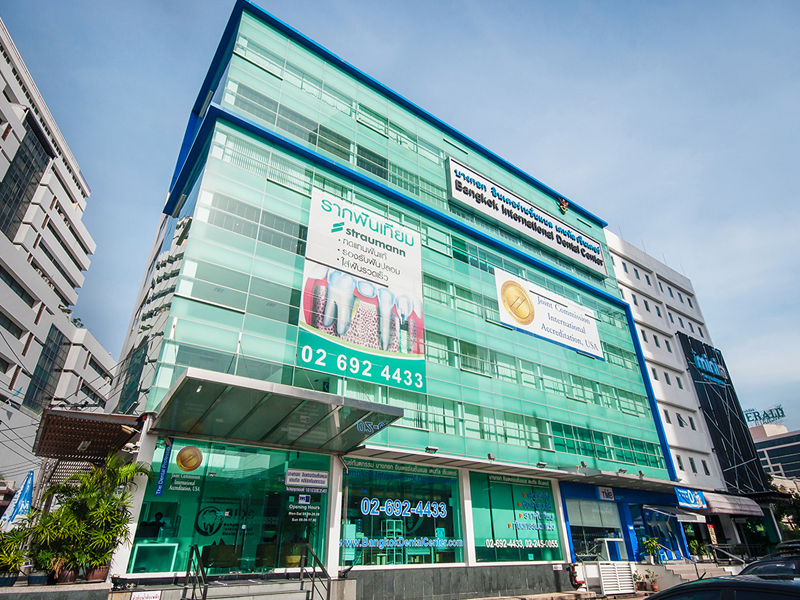
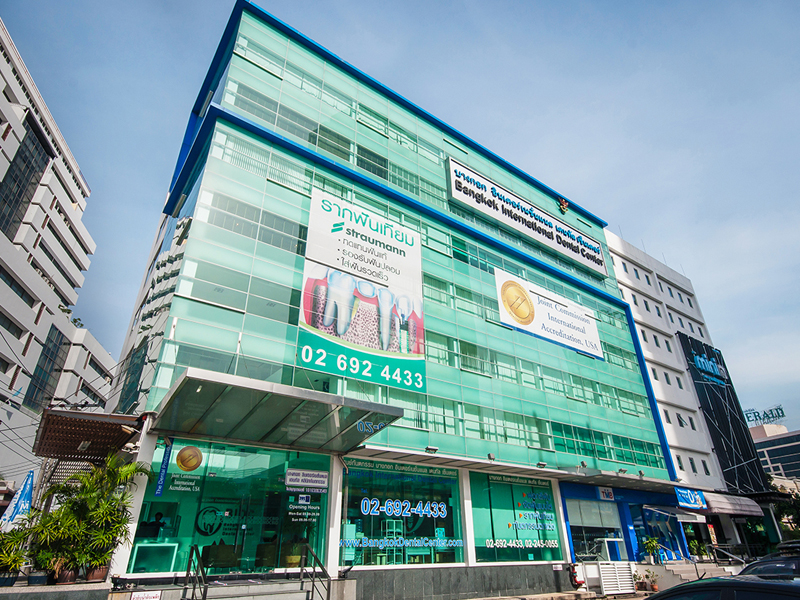
Bangkok International Dental Center: frequently asked questions
Bangkok International Dental Center is a premium-listed dental clinic in abroad with 175 verified reviews averaging 4.8/5. The questions below are the ones patients most commonly ask before booking treatment. They cover logistics, documentation, pricing, and what to expect from the process of getting dental work done abroad.
Why does BIDC Branch use Straumann implants specifically, and what makes them different from other brands?
Straumann is a Swiss implant manufacturer with over 65 years of clinical research behind its products. Bangkok International Dental Center Branch uses Straumann because the system offers a documented track record of over 95 percent long-term success rates across published clinical studies. The implant surface technology, known as SLActive, promotes faster osseointegration compared to standard titanium surfaces, which can shorten healing time. Straumann implants are also available in a range of diameters and lengths to suit narrow ridges and challenging anatomy. For patients at BIDC Branch, choosing Straumann means the restoration is backed by one of the most studied implant systems in the world, with components available globally if future maintenance or replacement is ever needed by a dentist at home.
How long does full-mouth reconstruction take at BIDC Branch, and what does the timeline look like?
Full-mouth reconstruction at Bangkok International Dental Center Branch is a staged process that typically spans six to twelve months from initial treatment to final restorations, depending on the complexity of bone loss, gum disease, and the number of implants involved. The first visit usually covers diagnosis, extractions if needed, and any grafting procedures, and takes seven to fourteen days. After a healing phase of three to six months, patients return to BIDC Branch for implant placement. A further three to six months of osseointegration precedes the final crown and bridge fitting, which takes three to five days. BIDC Branch has a coordinated team of 70 plus specialist dentists, meaning each phase is managed by the right specialist without the patient needing to manage multiple referrals.
How do 70 specialist dentists at BIDC Branch coordinate to deliver consistent care for one patient?
Bangkok International Dental Center Branch operates with a team-based care model where each patient is assigned a lead dentist who coordinates input from the relevant specialists across their treatment plan. If your case involves periodontists, oral surgeons, prosthodontists, and cosmetic dentists, each specialist sees you within the same facility and communicates through a shared patient record. This eliminates the information gaps that occur when patients are referred between separate practices. Your lead dentist at BIDC Branch reviews each specialist's findings and synthesises the overall plan, so you always have a single point of contact who understands your full case. This model is particularly valuable for complex full-mouth reconstructions where multiple disciplines must work in a defined sequence.
What happens if a Straumann implant at BIDC Branch fails after I return home?
Straumann implant failure is rare, with published long-term success rates above 95 percent, but BIDC Branch takes a clear position on aftercare for international patients. Before you leave Bangkok, the clinic provides full documentation of your implant system, including the Straumann part numbers, placement details, and post-operative X-rays. If a complication arises at home, any Straumann-authorised dentist in your country can access compatible components and review your records. BIDC Branch's clinical team remains reachable by email to review photos or X-rays you send and advise on the appropriate next step. The Straumann system's global distribution network is a major practical advantage for dental tourists, ensuring you are never left without a path to resolution regardless of where you live.
Does BIDC Branch perform bone grafting, and when is it needed alongside implants?
Yes, Bangkok International Dental Center Branch offers bone grafting as part of its implant planning process. Bone grafting is needed when the jawbone has resorbed due to tooth loss, gum disease, or long-term denture wear, and there is not enough volume to securely anchor an implant. BIDC Branch uses a 3D CBCT scan to measure bone dimensions precisely before recommending a graft. Options include synthetic bone substitutes, processed donor bone, or in some cases bone harvested from another site in your jaw. Grafting adds healing time of three to six months before implant placement, which affects your trip planning. However, the BIDC Branch surgical team has extensive experience combining grafting with implant surgery where anatomy allows, which can reduce the number of visits required.
Is IV sedation available for nervous patients at BIDC Branch?
Yes, Bangkok International Dental Center Branch offers IV sedation for patients who are anxious about dental treatment or undergoing lengthy surgical procedures. IV sedation produces a deeply relaxed, semi-conscious state without general anaesthesia, meaning you remain responsive but have little to no memory of the procedure afterward. It is commonly used at BIDC Branch for implant placements, multiple extractions, and full-arch surgeries where the procedure duration would otherwise make local anaesthesia alone uncomfortable. A qualified anaesthetist or sedation-trained dentist monitors your vital signs throughout. If you are considering sedation, flag this during your initial consultation so BIDC Branch can schedule appropriately and provide pre-operative fasting instructions. Sedation adds a modest cost to the procedure.
How does the cost of a single crown at BIDC Branch compare to London prices?
A porcelain-fused-to-zirconia crown in London typically costs between GBP 800 and GBP 1,500, and an all-ceramic crown can reach GBP 1,800 or more at a specialist practice. At Bangkok International Dental Center Branch, a high-quality zirconia crown is generally priced between USD 300 and USD 600, which at current exchange rates represents savings of 60 to 75 percent even before factoring in NHS waiting times or London private practice queues. The materials used at BIDC Branch are the same internationally recognised brands as those used in the UK, and the prosthodontic training of the clinical team meets international standards. For patients combining multiple crowns with an implant case, the cumulative saving easily offsets the cost of a return flight from London.
Can I pay in a foreign currency such as AUD, USD, or GBP at BIDC Branch?
Bangkok International Dental Center Branch accepts payment in major foreign currencies including USD, AUD, GBP, and EUR, as well as Thai Baht. International credit and debit cards are accepted, and the clinic can provide itemised invoices in your preferred currency for travel insurance or tax records. If you are budgeting before your trip, the treatment plan estimate provided in advance will clearly state costs so you can calculate your total outlay. Some patients also use travel money cards loaded in USD or AUD to avoid bank conversion fees. BIDC Branch's patient team can advise on the most cost-effective payment method for your specific currency and card type during the pre-trip planning stage.
Does BIDC Branch use digital impressions, and how do they compare to traditional moulds?
Bangkok International Dental Center Branch uses intraoral digital scanning to capture impressions for crowns, bridges, implant restorations, and aligners. A digital scanner moves through the mouth for a few minutes and builds a precise 3D model that is sent directly to the milling or printing equipment. This eliminates the discomfort of traditional putty impressions, which can trigger a gag reflex and occasionally distort if the patient moves. Digital scans are also more accurate, with less risk of bubble defects that cause poor-fitting restorations. For international patients at BIDC Branch, digital impressions mean faster turnaround from scan to finished restoration and a data file that can be archived and shared with any dentist in the future.
Can patients with diabetes safely receive dental implants at BIDC Branch?
Dental implants are possible for diabetic patients, and Bangkok International Dental Center Branch assesses each case individually based on current HbA1c levels and overall metabolic control. Well-controlled diabetes with an HbA1c below 7 to 8 percent generally presents an acceptable risk profile for implant surgery, and BIDC Branch's surgical team is experienced in managing these cases. Poorly controlled diabetes increases the risk of infection and delayed healing, so the team may recommend stabilising blood sugar levels before proceeding. BIDC Branch works with patients and their physicians to review medical history, adjust antibiotic protocols where needed, and plan shorter surgical sessions if appropriate. Patients are advised to bring recent blood test results to their consultation so the clinical team can give a fully informed recommendation.
What patients say about Bangkok International Dental Center
A selection from verified SmileJet reviews. Names are shown as first name only.
- ★★★★★ Krish
I came here for for a full mouth deep cleaning. The check in process was easy. Then I met with the dentist where she first did an examination to make sure I needed a deep clean. She explained what she saw in my mouth with a mirror so I could see which parts needed a deep clean. The entire process was pretty straightforward and surprisingly not p...
- ★★★★★ Hilmark
I rarely write reviews unless I’m truly satisfied with the service. I previously had new dentures made at BIDC and recently decided to go back for two dental implants. The service was excellent from both the dentists and the staff. For 10 years, I struggled with uncomfortable dentures. That changed when I got my new set from BIDC. When I say the...
- ★★★★★ Michelle
Highly recommended! I had a dental cleaning here and specifically asked for a fluoride-free treatment with no harsh chemicals. The staff was incredibly kind, attentive, and professional. They respected my preferences and made sure the experience was gentle and natural , just what I was looking for. If you’re looking for a clean, fluoride-free de...
- ★★★★★ LIMOUZ
Excellent experience at BIDC Bangkok! I went for a filling and a full cleaning, and everything went perfectly. …
- ★★★★★ Catherine
I had major pain last week on my tooth and I could tell it was nerve pain. I contacted BIDC late night asking for an emergency appointment and they gave me an appointment the very next day. The doctor even adjusted her time to come in and …
A note on dental tourism planning
A few things worth keeping in mind regardless of which clinic you choose:
- Travel logistics still apply. Even with a well-run clinic, dental tourism involves visa timing, recovery windows, and the possibility of needing follow-up care after returning home. Implant work typically requires a second visit several months after the initial placement.
- Pricing varies by case. Any figures shown are starting points. Your actual treatment cost depends on imaging, bone condition, and materials selected, which can vary by a factor of three or more for the same procedure.
- Get a written treatment plan. Before committing to travel, request a written plan from the clinic via SmileJet's quote system. That plan should specify procedures, materials, session count, and total cost. If a clinic cannot provide this, that is itself useful information.
Have a question not covered here?
The most direct way to get clinic-specific answers is through SmileJet's quote request. Submit your case details and any specific questions you have, and Bangkok International Dental Center will respond with a personalised treatment plan, indicative pricing, and answers to your questions , typically within 24 hours. No fees, no commitment.
Prices are indicative; only a clinic's written quote applies to you. See how we source prices. SmileJet is an information service, not a healthcare provider, and nothing here is medical advice.
Want this priced for your own mouth? Send a photo and we will come back with written quotes from clinics that fit.
Get my quoteKeep reading
Related guides.
Worldwide Beauty And Dental Hospital Patient Reviews: What Recent Visitors Said
Verified patient reviews of Worldwide Beauty And Dental Hospital from recent visitors. Read what patients say about the...
Is Worldwide Beauty And Dental Hospital Worth the Trip from Australia?
Whether Worldwide Beauty And Dental Hospital is worth the trip from Australia: cost comparison, trip overhead, break-eve...
Booking and Visiting Worldwide Beauty And Dental Hospital: Your First Trip Step-by-Step
How to book and plan your first treatment trip to Worldwide Beauty And Dental Hospital: from quote request to arrival da...
Send a photo. Get three quotes.
It costs nothing and it does not commit you to anything. Most people hear back the same day.